


WHO: one out of twenty people die daily of unsafe medications
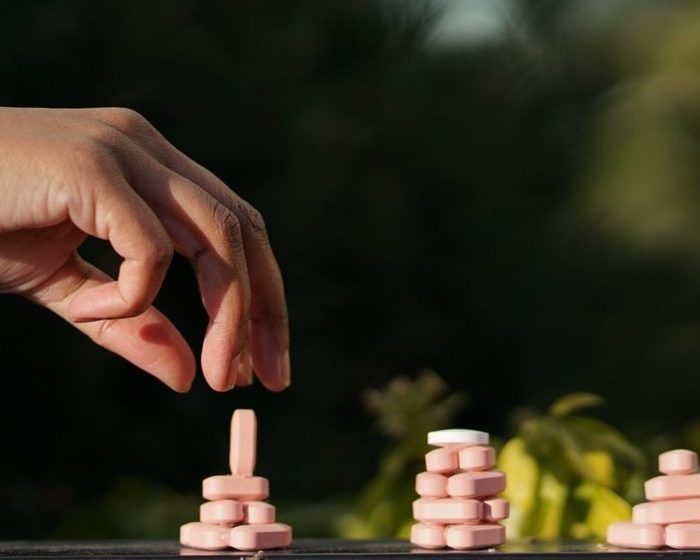
Globally, one in 20 patients suffers avoidable medication harm and unsafe medication practices, according to the World Health Organisation (WHO).
The Director-General of WHO, Tedros Ghebreyesus, in a press briefing Wednesday noted that the 2022 World Patient Safety Day celebrated every 17 September is focused on “medication without harm”.
According to Mr Ghebreyesus, medication errors account for half of all avoidable harm in medical care.
“Medicines are powerful tools for protecting health. But medicines that are wrongly prescribed, taken incorrectly or are of poor quality can cause serious harm and even death,” he said.
Prevalence in Africa
In a message published Thursday, WHO Regional Director for Africa, Matshidiso Moeti, noted that unsafe medication practices is high in the African region.
“While there is limited data for the African continent, it is generally acknowledged that there is a high magnitude of unsafe medication practices,” she said
“Among low- and middle-income countries, the African Region has the highest prevalence of substandard and counterfeit medicines (18.7 per cent).”
She added that a study done in 2021 shows that as many as one in every three respondents admitted to self-medicating to prevent COVID-19.
The real reason building keeps collapsing in Lagos: Olutoyin Ayinde
“This is unacceptably high because such unguided practices often lead to dangerous consequences as a result of drug interactions, or incorrect administration, dosage or choice of treatment,” she said.
Ms Moeti noted that the consequences include delays in treating diseases, dependence and abuse, disability, and even death.
Contributing factor
Ms Moeti further noted that the major contributing factors to unsafe practices are weak medication systems and human factors, with many countries lacking the capacity to detect, evaluate and prevent medicine safety issues.
She highlighted other contributory factors to include fatigue, inadequate knowledge and training, staff shortages, workplace distractions, high workload and limited resources.
She added that illiteracy, language difficulties, as well as socio-cultural and religious beliefs, also play a role.
“The administration of surplus medication at home, the purchase of medication from pharmacies on the advice of friends and relatives rather than trained professionals are all common practices that should be avoided,” she said.

Medication without harm
The WHO Africa boss stated that based on current estimates, $42 billion of total health expenditure worldwide could be averted if medication errors are addressed.
She, however, noted that the 2022 theme; “Medication Safety: Medication Without Harm” aims to reduce severe avoidable medication-related harm by 50% globally in the next five years.
This, according to her, would be achieved “through focused activities and interventions targeting three areas: patients and the public; health care professionals; and medicines, systems and medication practices.”
“As WHO, we are working with Member States to implement the WHO Global Patient Safety Action Plan 2021–2030. A regional patient safety strategy and road map are currently being developed to guide its implementation,” she added.