



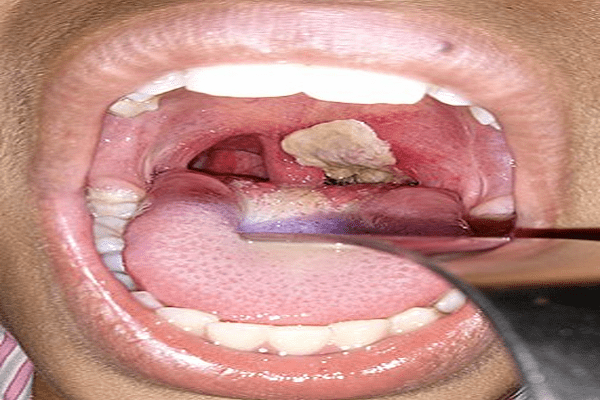
According to the World Health Organization (WHO), Nigeria is currently at high risk due to diphtheria, as they have reported a staggering 4,717 confirmed cases.
This spike in cases occurred between June 30 and August 31, 2023, marking an unusual surge in the disease’s prevalence.
The report reveals that out of a total of 8,353 suspected cases reported since the outbreak began in 2022, 4,717 (56.5%) have been confirmed as diphtheria cases.
This confirmation includes cases verified through laboratory testing (169; 3.6%), epidemiological links (117; 2.5%), and clinical compatibility (4,431; 93.9%). Meanwhile, 1,857 (22.2%) cases were deemed incompatible with diphtheria, 1,048 (12.5%) are awaiting classification, and 731 (8.8%) cases have unknown diagnoses.
Of the 4,717 confirmed cases, a significant proportion (3,466; 73.5%) are among individuals aged 1 to 14 years, with 699 in the 0-4 years age group, 1,505 in the 5-9 years age group, and 1,262 in the 10-14 years age group. Among the confirmed cases, 56.3% are females. Shockingly, only 22.8% of these confirmed cases were fully vaccinated against diphtheria, while 6.3% were partially vaccinated. The majority (59.4%) were unvaccinated.
Nigeria is grappling with a second wave of diphtheria outbreak following an initial wave that occurred between epidemiological week 52, 2022, and week 20, 2023. The affected population has grown, and there has been an uptick in confirmed cases and related deaths in epidemiological weeks 31-33.
Diphtheria cases have been identified in 14 states, with Kano as the epicenter. The other affected states include Lagos, Osun, the Federal Capital Territory (FCT), Nasarawa, Kaduna, Katsina, Yobe, Bauchi, Gombe, Borno, Plateau, Zamfara, Jigawa, and Kano.
To combat this alarming situation, the Coordinating Minister of Health and Social Welfare, Prof. Muhammad Pate, has established an emergency task force. This task force, operating in emergency mode, aims to prevent further spread to additional states and provide relief to the affected population.
It is co-chaired by Dr. Faisal Shuaib, the Executive Director and CEO of the National Primary Health Care Development Agency (NPHCDA), and Dr. Ifedayo Adetifa, the Director General of the Nigeria Centre for Disease Control and Prevention (NCDC). Other key members include representatives from WHO, UNICEF, the Federal Ministry of Information, and the Northern Traditional Leaders Committee on Primary Healthcare Delivery (NTLC).
Prof. Pate emphasizes the importance of raising awareness about the disease, its inherent dangers, and the necessary preventive measures, especially as children are returning to school.