


Nigeria in the past week has witnessed a scary rise in explosive incidents, which have caused destruction and loss of lives and properties. From schools to filling stations and on roads.
Each incident paints a grim picture of systemic safety failures, and yet, the possibility of these tragedies being preventable remains all too real.
In the center of these incidents, it’s important to look at the causes of these explosions and steps needed to stop them from happening again.
The first incident that grabbed national attention was on January 6, 2025, when an explosion rocked an Islamiyyah school in the Kuchibiyu Community, Bwari Area Council, Abuja. A student was killed, and four others seriously injured in what Police suspect was a Improvised Explosive Device (IED). It was not a pretty scenario, emergency responders, including the Nigerian police bomb disposal squad, rushed to the area. However, the details surrounding the explosion remain unclear, and we are left with more questions than answers. School that was suppose to be a learning place, became a place of chaos and havoc.
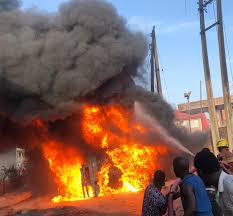
Just a day later, on January 7, 2025, another devastating explosion occurred in Rivers State. This time, it was a gas explosion at a refilling shop in the Oroazi community, Port Harcourt. Eighteen people were seriously burned, and three of them succumbed to their injuries. The explosion was caused when a technician, attempting to repair a refrigerator while also welding with a gas cylinder, sparked a deadly blast. Such a tragedy could have been prevented with the proper safety measures in place.
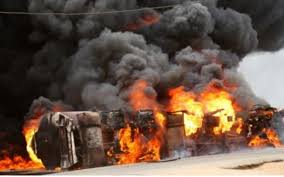
Then, in Delta State, a petrol tanker explosion on January 7, 2025, took the lives of four individuals and caused widespread damage. A 33,000-litre diesel tanker fell and triggered the explosion in Agbor town. The flames destroyed vehicles, buildings, and left the community in shock. These types of explosions, which occur with alarming regularity in Nigeria, bring the same message: inadequate safety measures in the handling of volatile substances can have catastrophic consequences.
The Root Causes: What Went Wrong?
Explosions like these don’t happen in a vacuum—they are the result of multiple contributing factors. From human error to a lack of regulations, Nigeria’s current safety framework around explosive risks is woefully insufficient.
Improper Handling of Dangerous Substances: The gas explosion in Rivers and the petrol tanker incident in Delta illustrate the risks associated with improper handling of highly flammable materials. In both cases, poor safety practices contributed directly to the explosions. The welder in Rivers was juggling too many tasks at once, while the tanker explosion was triggered by poor vehicle handling and oversight.
Weak Safety Regulations and Oversight: The lack of enforcement in safety protocols in residential areas that host businesses dealing with hazardous materials is a significant problem. In Rivers State, for example, gas refilling stations were operating without enough scrutiny. The fact that the technician was working in a non-compliant environment makes the incident more tragic. Similarly, many areas in Nigeria have weak or non-existent laws regarding the transport and storage of dangerous substances.
Inadequate Training and Awareness: Safety often starts with proper education, and this is where many of these incidents fall short. In the case of the Abuja school explosion, the handling of explosives by a student—whether accidentally or intentionally—was a clear indication that more education and security checks were needed in schools. Training people, especially in industries that deal with hazardous substances, on how to handle these materials safely is an essential part of accident prevention.
The Consequences: A Public Health Crisis
The immediate impact of these explosions is, of course, tragic. People lose their lives, others are critically injured, and communities are shaken to their core. However, the ripple effects of these incidents extend far beyond the casualties.
Loss of Life and Trauma: The loss of life is the most profound consequence of any explosion, as seen in the tragic deaths in Abuja, Rivers, and Delta. These incidents have left families devastated, and for those who survived, the trauma is both physical and emotional. Burn victims face not only excruciating pain but often years of treatment and rehabilitation, while the psychological toll on survivors and witnesses can last a lifetime.
Destruction of Property: Explosions leave behind destruction that takes months, sometimes years, to repair. In the case of the petrol tanker explosion, damaged buildings and vehicles were a visible testament to the explosion’s devastating force. Families lose their homes, businesses are destroyed, and local economies suffer.
Wider Public Health Implications: Hospitals were almost confused with burn victims and individuals who have inhaled toxic fumes. The strain on healthcare facilities in these areas compounds the crisis, leading to longer wait times and an increased risk of complications for those who need urgent medical care.
How We Can Prevent Explosions
While it is clear that explosions in Nigeria are a growing problem, solutions do exist. However, eliminating these hazards will require concerted efforts from all sectors of society, from government agencies to local communities.
Stronger Regulations and Enforcement: The government must take immediate steps to implement and enforce stricter safety regulations. Gas refilling stations should be prohibited from operating in residential areas, and businesses that deal with hazardous materials should be held to rigorous safety standards. Regular inspections and penalties for non-compliance can go a long way in preventing accidents.
Public Education and Awareness: A public education campaign on the safe handling of dangerous materials is essential. Whether it’s teaching school children about the dangers of explosives or training workers in gas stations and oil refineries, safety must become a national priority. Informed communities are safer communities.
Increased Safety Training and Certification: Employers and technicians who work in hazardous environments must undergo comprehensive training. Certification programs should be mandated to ensure that anyone handling flammable substances is adequately prepared to do so safely.
Investment in Safety Technology: Nigeria must invest in modern safety technology. Early-warning systems, fire suppression technologies, and advanced monitoring equipment can detect risks before they escalate into explosions. These technological solutions will help prevent disasters before they occur.
The recent explosions in Nigeria serve as a stark reminder of the urgent need to prioritize safety. It is not enough to mourn the victims after the fact—we must take decisive action to prevent future tragedies. By enforcing stronger regulations, increasing public education, and investing in training and technology, we can protect lives and safeguard the well-being of Nigerians.
ALSO READ: Safety During Harmattan: Preventing and Controlling Fires in Dry Conditions