



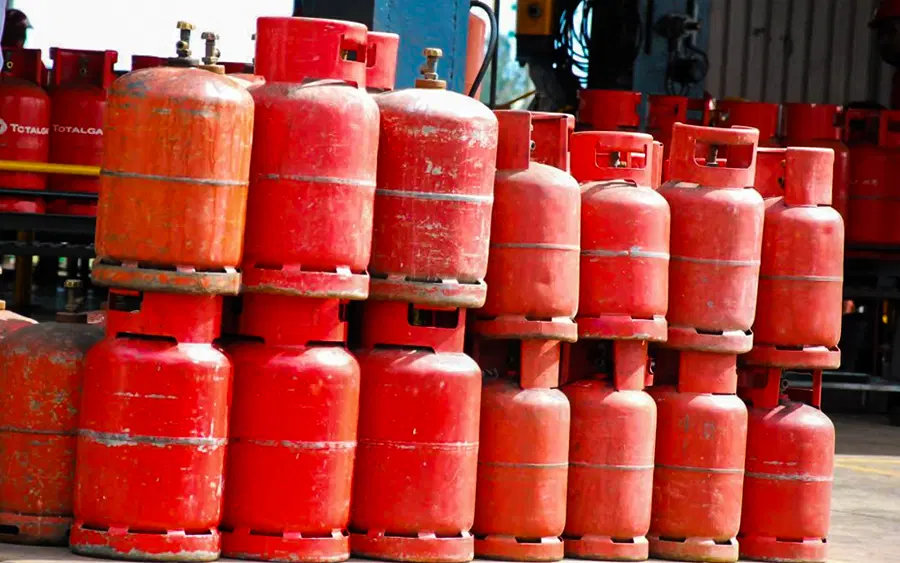
Cooking gas cylinders are essential in every household, providing the energy needed for cooking. However, safety is a critical concern when using gas cylinders, as improper handling or delay in replacement can lead to hazards like gas leaks, explosions, or poisoning. One important question that frequently arises is: how long should a cooking gas cylinder be used before changing it?
Average Lifespan of a Gas Cylinder
On average, a cooking gas cylinder should be replaced every 10 years. This timeframe is based on the cylinder’s structural integrity and safety standards. Over time, gas cylinders can experience wear and tear due to factors like rust, dents, and corrosion, which may weaken the tank and increase the risk of leakage or rupture. Therefore, it is essential to inspect the cylinder regularly and adhere to the manufacturer’s guidelines for usage.
Signs You Need to Change Your Gas Cylinder Sooner
While a 10-year lifespan is typical, certain signs indicate that a gas cylinder should be replaced earlier:
- Visible Damage: Look for dents, cracks, or bulging. Such damages compromise the cylinder’s safety and could lead to a dangerous situation.
- Rust or Corrosion: A gas cylinder should be free from rust, especially around the valve or seams. Corrosion can lead to leaks, reducing the cylinder’s integrity.
- Frequent Leaks: If you notice a persistent smell of gas when the valve is closed, there could be a leak. Even small leaks, if ignored, can lead to serious safety issues.
- Expired Certification: Some cylinders come with a manufacturing certification, which includes an expiration date. Once this date passes, the cylinder should be replaced, even if it appears to be in good condition.
When to Refill and When to Replace
When considering how often to replace your cooking gas cylinder, it is important to distinguish between refilling and replacing. Gas cylinders are generally refilled until their expiration date. Refill your cylinder when it runs low, but always ensure it’s inspected for safety during each refill to check for potential issues.
Safe Practices and Maintenance
- Proper Storage: Keep your gas cylinder in a well-ventilated area, away from heat sources, sunlight, or moisture. Avoid storing cylinders near flammable materials or in confined spaces.
- Regular Inspection: Make it a habit to inspect the cylinder regularly for any signs of damage, rust, or leaks. If unsure, seek a professional inspection to ensure your gas cylinder is safe to use.
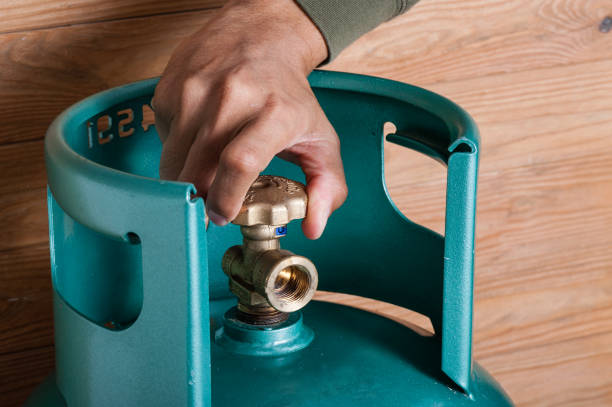
- Replace Valves When Needed: The valve is a critical component of the cylinder. If it becomes damaged, faulty, or begins to leak, replace it immediately to avoid any risk of gas leakage.
A cooking gas cylinder typically lasts around 10 years, but regular inspection and awareness of its condition are vital for safety. Always look for signs of wear, and replace the cylinder if necessary. Prioritize safety by ensuring that your gas cylinders are stored and handled correctly, and by replacing any cylinder that no longer meets safety standards.
ALSO READ: Akwa Ibom Governor Approves Recruitment of 600 Health Workers, 100 Safety Officers