




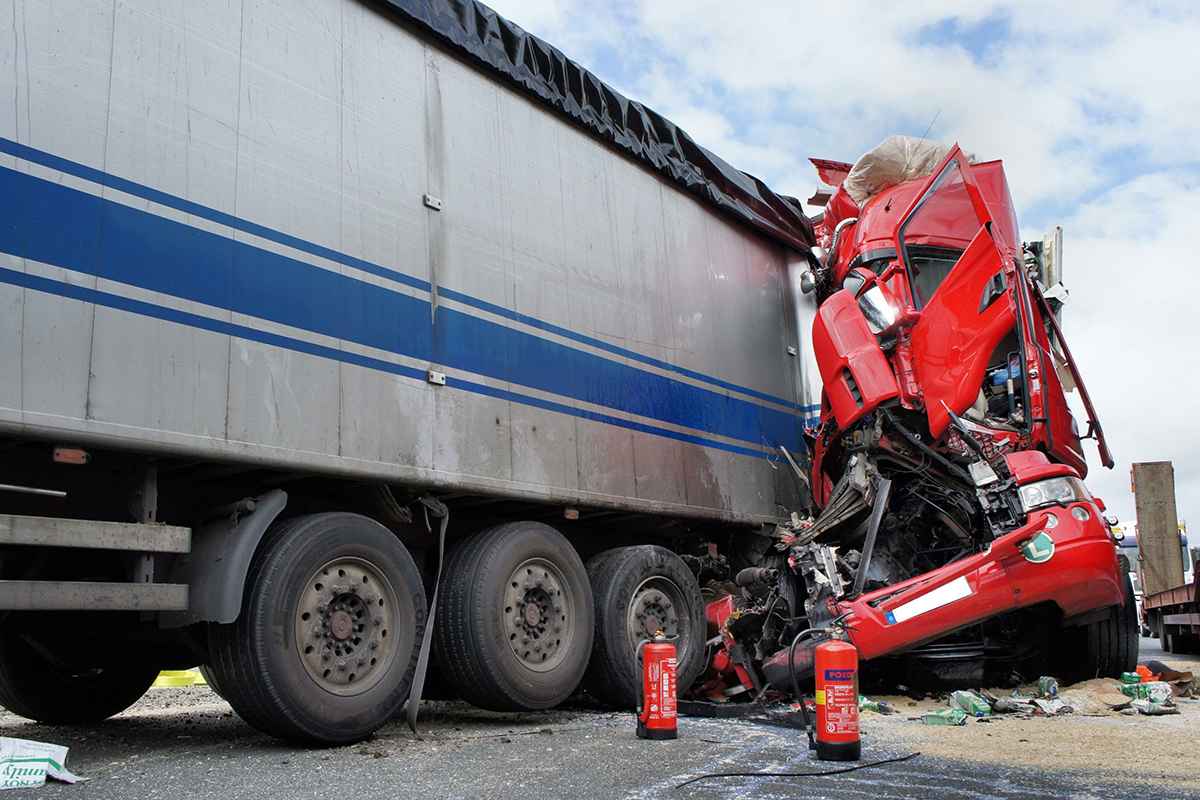
We’ve all seen those scary videos of big trucks losing control, crashing into cars, and causing huge damage. These accidents make many drivers nervous when they see a truck behind them. But why do trucks lose their brakes so often? Is it because they’re not maintained well, or because drivers take risks? Or is it just harder for such big vehicles to stop safely?
In Plateau State the government decided to stop heavy trucks from driving on busy roads during the day. This simple rule has already reduced accidents significantly. Could this be a solution for other places in Africa and beyond?
In this article, we’ll break down why trucks lose their brakes, what makes them different from regular cars, and how better rules and maintenance can make our roads safer for everyone.
The Mechanics of Truck Braking Systems: Why They’re Not “Just Big Cars”
Trucks and trailers rely on air brake systems, fundamentally different from the hydraulic brakes in passenger vehicles. Key distinctions include:
- Air Brake Complexity: Air brakes use compressed air to activate brake pads. While efficient for heavy loads, they require meticulous maintenance. Air leaks, moisture buildup, or worn compressor components can lead to sudden failure.
- Brake Fade Risks: Repeated braking on steep descents (e.g., mountainous regions) overheats brake drums, reducing friction (“brake fade”). Trucks lacking engine brakes or retarders are especially vulnerable.
- Load Dependency: Overloading (common in poorly regulated regions) strains braking capacity. A 40-ton truck hauling 60 tons requires exponentially longer stopping distances.
Data Point: The U.S. National Highway Traffic Safety Administration (NHTSA) attributes 29% of truck accidents to brake system deficiencies, a figure likely higher in regions with lax enforcement.
Root Causes of Brake Failures: Beyond Mechanical Failure
A. Poor Maintenance Practices
- Neglected Inspections: Worn brake linings, cracked drums, and air system leaks often go undetected. In Africa, limited access to certified repair facilities exacerbates risks.
- Cost-Cutting: Operators may delay repairs or use counterfeit parts to reduce expenses, prioritizing profit over safety.
B. Reckless Driving Behaviors
- Over-speeding: Momentum from high speeds overwhelms braking capacity.
- Fatigue: Long-haul drivers in unregulated markets often exceed legal driving hours, impairing reaction times.
C. Infrastructure Deficits
- Inadequate runaway truck ramps, poorly graded roads, and absent signage (e.g., “Steep Grade Ahead”) heighten risks in regions like Sub-Saharan Africa.
Case Study: Plateau State’s Daytime Heavy-Duty Vehicle Ban
In response to frequent truck-related accidents, Plateau State, banned heavy-duty vehicles from commercial roads during daylight hours. Results include:
- 50% Reduction in Accidents: Reported within six months of implementation (Plateau State Transport Commission, 2022).
- Rationale: Reduced traffic congestion and lower daytime temperatures minimized brake overheating risks. Nighttime driving also aligned with cooler ambient conditions and lighter traffic.
Limitations: Critics cite increased driver fatigue and pressure to meet delivery deadlines after dark. However, enhanced enforcement and rest-stop investments mitigated these issues.
Recommendations for Systemic Safety Improvements
A. Policy Interventions
- Daytime Restrictions: Expand Plateau State’s model to high-risk corridors (e.g., steep gradients, urban centers). Kenya’s 2017 nighttime truck ban on Thika Road reduced accidents by 40%.
- Weight Enforcement: Mandate weighbridge checks with penalties for overloaded trucks.
B. Strengthening Maintenance Culture
- Mandatory Inspections: Implement digital tracking of brake system audits, as seen in the EU’s Roadworthiness Directive.
- Certified Workshops: Partner with manufacturers to train technicians on air brake systems.
C. Technology Integration
- Electronic Braking Systems (EBS): ABS and automatic emergency braking (AEB) reduce jackknifing risks.
- Telematics: Real-time monitoring of driver behavior (e.g., harsh braking) enables proactive coaching.
D. Driver Training and Welfare
- Simulator Training: Emphasize brake management on declines (South Africa’s Advanced Driver Training Program reduced brake failure incidents by 33%).
- Fatigue Management: Enforce rest intervals using tachographs.
A Call for Collaborative Action
Truck brake failures are not inevitable. They result from technical, human, and regulatory gaps that demand holistic solutions. Plateau State’s policy success demonstrates that strategic regulations, paired with infrastructure and enforcement upgrades, can save lives.

HSE professionals, policymakers, and transport operators must collaborate to prioritize braking system integrity, driver welfare, and data-driven regulation. By learning from global best practices and adapting them to local contexts, African nations can transform road safety outcomes—one brake check at a time.