

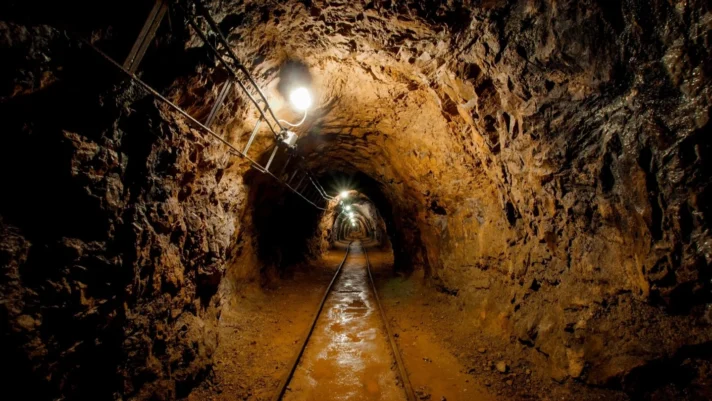
An illegally operated gold mine in western Mali collapsed on Saturday, claiming at least 48 lives. The disastrous event, reported by local officials and AFP sources, paints a grim picture of vulnerability and neglect. Eyewitnesses described the moment when several people fell into the water, including a woman carrying her baby on her back. This heartbreaking event has deeply affected the community and raised urgent concerns about the safety of illegal mining operations.
This collapse occurred at an abandoned site once managed by a Chinese company, a reminder of the risks inherent in unregulated mining. Mali, a nation renowned as one of Africa’s foremost gold producers, has long been haunted by such tragedies. Recent calamities including a landslide in January and a tunnel collapse over a year ago that took more than 70 lives.
Dangers of Illegal Mining Structures
Illegal mining setups, often constructed hastily and without adherence to safety regulations, stand as silent threats to human life. These makeshift structures lack proper engineering oversight and fail to incorporate essential safety features, making them especially prone to collapse. The tragedy in Mali starkly underscores how such illegal structures magnify risks—compromising not only the lives of workers but also the safety of entire communities. Without the stabilizing benefit of regulated construction practices, these operations become ticking time bombs, vulnerable to natural forces and unforeseen failures.
This sorrowful event brings to the fore the dire need for a more compassionate and vigilant approach to mining safety. In regulated mining environments, comprehensive Health, Safety, and Environmental (HSE) protocols are not just guidelines—they are lifelines. Yet, the stark reality of Mali’s mining industry reveals a tapestry of neglect, where regulatory oversight is scarce and safety measures are often an afterthought.
- Emotional Toll: Families and communities endure deep grief from sudden mining tragedies.
- Call for Reform: Urgent, human-centric reforms must replace unsafe, neglected mining practices.
- Preventive Measures: Stricter regulations, extensive worker training, and innovation can prevent disasters.
As Mali and similar regions confront the human cost of unsafe mining, the imperative for reform becomes ever clearer. Robust safety protocols, diligent oversight, and genuine care for worker welfare are essential steps toward preventing further heartbreak.
ALSO READ: Fresh HSE International Job Opening This Week – APPLY NOW