


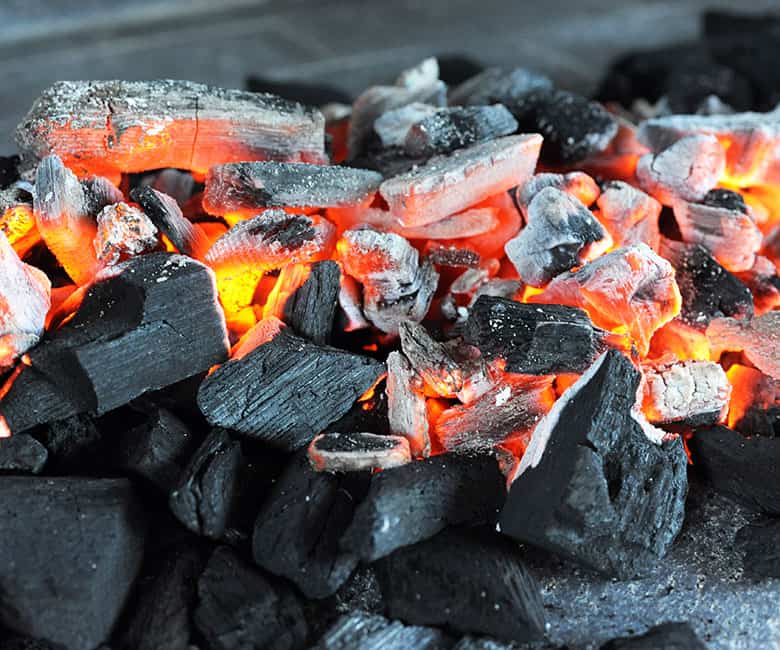
Cooking with charcoal is a common practice in many households, particularly in low-income and rural areas where gas or electricity may be expensive or unreliable. While charcoal is an affordable and efficient fuel source, using it indoors poses serious health and safety risks that often go unnoticed until tragic consequences occur.
The Silent Killer: Carbon Monoxide Poisoning
One of the biggest dangers of using charcoal indoors is carbon monoxide (CO) poisoning. Charcoal produces high levels of CO, a colorless, odorless gas that can be deadly when inhaled in confined spaces. Since CO binds with hemoglobin in the blood more effectively than oxygen, it deprives vital organs of oxygen, leading to symptoms such as headaches, dizziness, confusion, and eventually, unconsciousness or death.
According to the World Health Organization (WHO), CO poisoning accounts for thousands of deaths annually, particularly in developing countries where charcoal is frequently used indoors for cooking and heating. Many victims do not recognize the symptoms until it is too late.
Respiratory Diseases and Air Pollution
Indoor air pollution caused by burning charcoal is another major concern. The smoke released contains fine particulate matter (PM2.5), which, when inhaled, penetrates deep into the lungs and causes respiratory diseases such as chronic obstructive pulmonary disease (COPD), bronchitis, and even lung cancer. Children, the elderly, and people with pre-existing respiratory conditions are especially vulnerable.
A report by the Global Alliance for Clean Cookstoves revealed that household air pollution from solid fuel use, including charcoal, contributes to over four million deaths annually worldwide. The health impact is comparable to smoking several cigarettes daily.
Fire Hazards and Accidents
Using charcoal stoves or open fires indoors significantly increases the risk of house fires. A small spark can ignite flammable materials nearby, and in poorly ventilated spaces, heat buildup can lead to explosions. In many developing countries, news reports frequently highlight cases of entire families perishing due to charcoal-induced house fires or suffocation.
Safer Alternatives and Preventive Measures
While charcoal remains a widely used cooking fuel, there are safer alternatives and preventive measures that can mitigate its dangers:
- Ensure Proper Ventilation: If charcoal must be used indoors, it should be done in a well-ventilated area, preferably near an open window or under an exhaust fan.
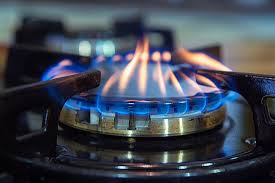
- Use Alternative Fuels: Switching to safer energy sources like liquefied petroleum gas (LPG), electric stoves, or improved biomass stoves can significantly reduce health risks.
- Install Carbon Monoxide Detectors: CO detectors can alert households to dangerous levels of carbon monoxide before they become fatal.
- Public Awareness Campaigns: Governments and health organizations should educate communities about the dangers of indoor charcoal use and promote access to cleaner cooking solutions.
Cooking with charcoal indoors may seem like a convenient and cost-effective choice, but the health and safety risks are far too great to ignore.
Carbon monoxide poisoning, respiratory diseases, and fire hazards make it a silent but deadly practice. The need for better ventilation, alternative fuel sources, and increased public awareness cannot be overstated. Investing in safer cooking methods can save lives and improve overall public health in communities reliant on charcoal.

ALSO READ: World Kidney Day 2025: Prioritizing Kidney Health Through Early Detection and Prevention