



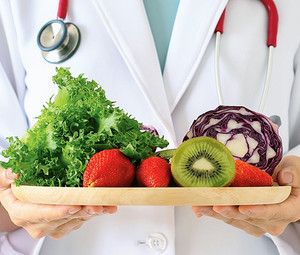
Doctors around the world, including in Africa, are paying more attention to the role of food in preventing and managing diseases. With the rise of chronic illnesses like diabetes, high blood pressure, and heart disease, many healthcare professionals are now seeing food as a key part of treatment rather than just a source of nutrition.
Doctors Are Recommending Diet Changes More Often
For many years, medicine has focused more on drugs than on diet when treating illnesses. But research now shows that what people eat can have a direct impact on their health. In Africa, where many people struggle to afford regular medical care, using food as a form of treatment is becoming an important option.
Doctors are now advising patients to eat more natural, whole foods while reducing processed and sugary foods. Some hospitals and health centers are also introducing nutrition programs, where diet changes are recommended before or alongside medication.
Why Food Is Becoming a Treatment Option
Several factors are pushing doctors to take nutrition more seriously:
- Rising cases of chronic diseases: Many Africans now suffer from high blood pressure, diabetes, and obesity due to changes in diet and lifestyle.
- Cost of healthcare: Medicines and hospital treatments are expensive, but a healthy diet can help reduce medical expenses in the long run.
- Traditional diets are healthier: African foods like beans, vegetables, grains, and fresh fruits are rich in nutrients that help prevent and manage diseases.
- Scientific evidence: Studies have shown that a balanced diet can lower the risk of major illnesses and even help manage conditions like high cholesterol and diabetes.
How Food Is Being Used to Improve Health
Doctors are not asking patients to avoid medicine but are encouraging them to make better food choices alongside their treatments. Some common recommendations include:
- Eating more fiber-rich foods like vegetables, whole grains, and beans to help control blood sugar and blood pressure.
- Reducing processed and sugary foods that increase the risk of diabetes and heart disease.
- Choosing traditional African diets over fast foods and processed meals, which contain unhealthy fats and additives.
- Encouraging patients to drink enough water and eat fresh foods instead of relying on packaged or canned meals.
In some countries, hospitals are starting to provide food programs for patients. Some clinics even have dietitians who work alongside doctors to help patients plan healthier meals.
A Simple but Powerful Solution
As healthcare costs rise, food is becoming an important part of treatment plans. Doctors are realizing that good nutrition can prevent diseases before they require expensive treatments. In Africa, where many people rely on natural foods, returning to traditional diets could help improve overall health.
Using food as medicine is not about replacing drugs but about preventing health problems before they get worse. With the right diet, many people can reduce their risk of serious illnesses and live healthier lives.
Doctors around the world, including in Africa, are paying more attention to the role of food in preventing and managing diseases. With the rise of chronic illnesses like diabetes, high blood pressure, and heart disease, many healthcare professionals are now seeing food as a key part of treatment rather than just a source of nutrition.
Doctors Are Recommending Diet Changes More Often
For many years, medicine has focused more on drugs than on diet when treating illnesses. But research now shows that what people eat can have a direct impact on their health. In Africa, where many people struggle to afford regular medical care, using food as a form of treatment is becoming an important option.
Doctors are now advising patients to eat more natural, whole foods while reducing processed and sugary foods. Some hospitals and health centers are also introducing nutrition programs, where diet changes are recommended before or alongside medication.
Why Food Is Becoming a Treatment Option
Several factors are pushing doctors to take nutrition more seriously:
- Rising cases of chronic diseases: Many Africans now suffer from high blood pressure, diabetes, and obesity due to changes in diet and lifestyle.
- Cost of healthcare: Medicines and hospital treatments are expensive, but a healthy diet can help reduce medical expenses in the long run.
- Traditional diets are healthier: African foods like beans, vegetables, grains, and fresh fruits are rich in nutrients that help prevent and manage diseases.
- Scientific evidence: Studies have shown that a balanced diet can lower the risk of major illnesses and even help manage conditions like high cholesterol and diabetes.
How Food Is Being Used to Improve Health
Doctors are not asking patients to avoid medicine but are encouraging them to make better food choices alongside their treatments. Some common recommendations include:
- Eating more fiber-rich foods like vegetables, whole grains, and beans to help control blood sugar and blood pressure.
- Reducing processed and sugary foods that increase the risk of diabetes and heart disease.
- Choosing traditional African diets over fast foods and processed meals, which contain unhealthy fats and additives.
- Encouraging patients to drink enough water and eat fresh foods instead of relying on packaged or canned meals.
In some countries, hospitals are starting to provide food programs for patients. Some clinics even have dietitians who work alongside doctors to help patients plan healthier meals.

A Simple but Powerful Solution
As healthcare costs rise, food is becoming an important part of treatment plans. Doctors are realizing that good nutrition can prevent diseases before they require expensive treatments. In Africa, where many people rely on natural foods, returning to traditional diets could help improve overall health.
Using food as medicine is not about replacing drugs but about preventing health problems before they get worse. With the right diet, many people can reduce their risk of serious illnesses and live healthier lives.
ALSO READ: Your Body’s Warning Signs Before Organ Failure—The Signals Most People Ignore