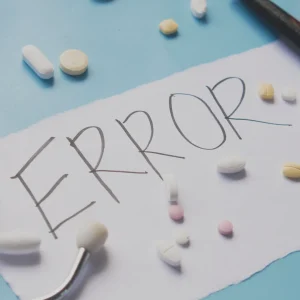




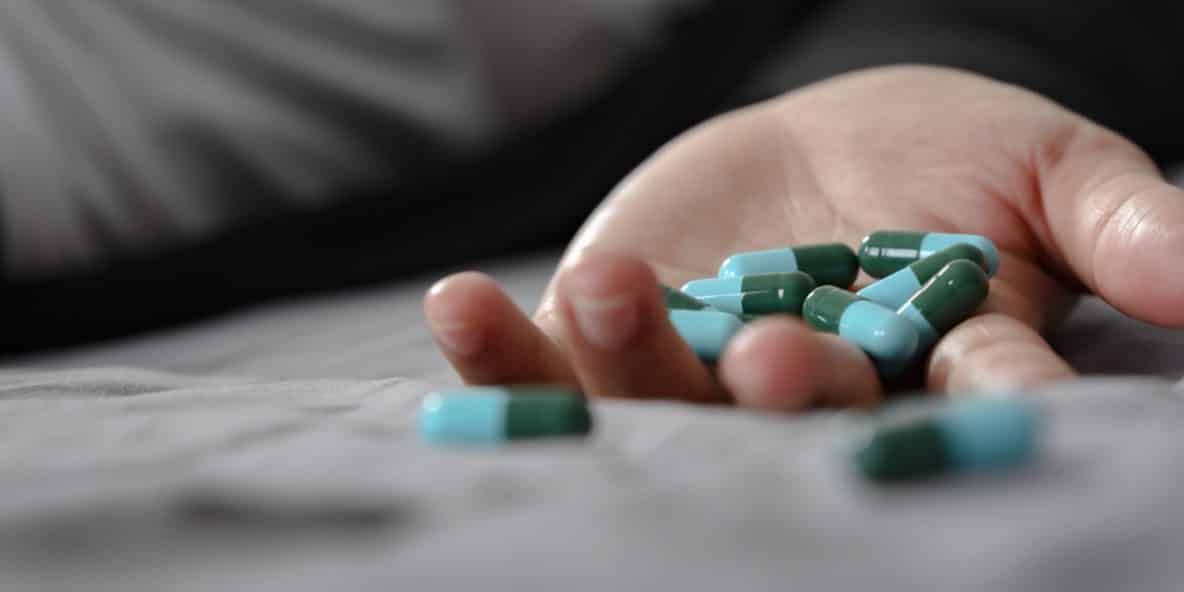
Self-medication is a growing public health challenge across Africa, with millions resorting to over-the-counter drugs and traditional remedies without professional guidance. While it may seem convenient and cost-effective, self-medication comes with severe health risks, including drug resistance, organ damage, and life-threatening complications.
The Alarming Rise of Self-Medication in Africa
Studies indicate that self-medication is rampant in many African countries due to limited access to healthcare, high consultation fees, and cultural beliefs in alternative medicine. According to a 2022 study by the African Journal of Primary Health Care & Family Medicine, over 60% of the population in Nigeria, Kenya, and Ghana rely on self-medication for common ailments such as headaches, fever, and infections. In rural communities, this figure is even higher due to a lack of healthcare facilities.
The World Health Organization (WHO) also reports that antibiotic misuse is a leading cause of antimicrobial resistance in Africa, making infections harder to treat. The COVID-19 pandemic further fueled self-medication, with many people using unverified treatments without proper medical advice.
Commonly Misused Drugs and Their Hidden Risks
- Painkillers (Paracetamol, Ibuprofen, Aspirin)
- Excessive use can lead to liver and kidney damage. A 2023 report by the South African Medical Journal revealed that 30% of acute liver failures in Africa are linked to paracetamol overdose.
- Ibuprofen and aspirin can cause stomach ulcers and internal bleeding, especially when taken without food.
- Antibiotics (Amoxicillin, Ciprofloxacin, Tetracycline)
- Misuse of antibiotics contributes to drug resistance, making infections harder to treat.
- WHO warns that Africa has one of the highest antimicrobial resistance (AMR) rates globally, leading to prolonged hospital stays and increased death rates.
- Cough Syrups and Cold Medications
- Many cough syrups contain codeine, which can lead to addiction if misused.
- In 2018, Nigeria banned several codeine-containing syrups after reports of widespread abuse among youth.
- Herbal Remedies and Traditional Medicine
- While some herbal treatments are beneficial, many lack scientific validation and may contain toxic substances.
- The National Agency for Food and Drug Administration and Control (NAFDAC) in Nigeria has warned against unregulated herbal products, linking them to cases of kidney failure and poisoning.
Long-Term Consequences of Self-Medication
- Organ Damage: Overuse of painkillers and antibiotics can cause irreversible damage to the liver, kidneys, and heart.
- Delayed Treatment: Many diseases worsen due to incorrect medication, leading to severe complications or death.
- Psychological Effects: Addiction to self-prescribed drugs, such as opioids and sedatives, is rising among African youths.
- Financial Burden: Treating complications from self-medication often costs more than seeking proper healthcare initially.
Preventing the Dangers of Self-Medication
- Seek Professional Medical Advice: Always consult a doctor or pharmacist before taking any medication.
- Improve Healthcare Access: Governments should invest in affordable healthcare to reduce reliance on self-medication.
- Public Awareness Campaigns: Health authorities must educate people about the dangers of drug misuse.
- Stricter Regulations: Governments should enforce tighter controls on over-the-counter drug sales, especially for antibiotics and addictive substances.
Self-medication is a silent health crisis in Africa, driven by ignorance, poverty, and poor healthcare access. While it may seem like a quick fix, the long-term effects can be devastating. Governments, healthcare professionals, and individuals must work together to promote safer medication practices and reduce the risks associated with self-medication.
ALSO READ: Nigeria to Finalize State Safety Programme for Aviation Industry