



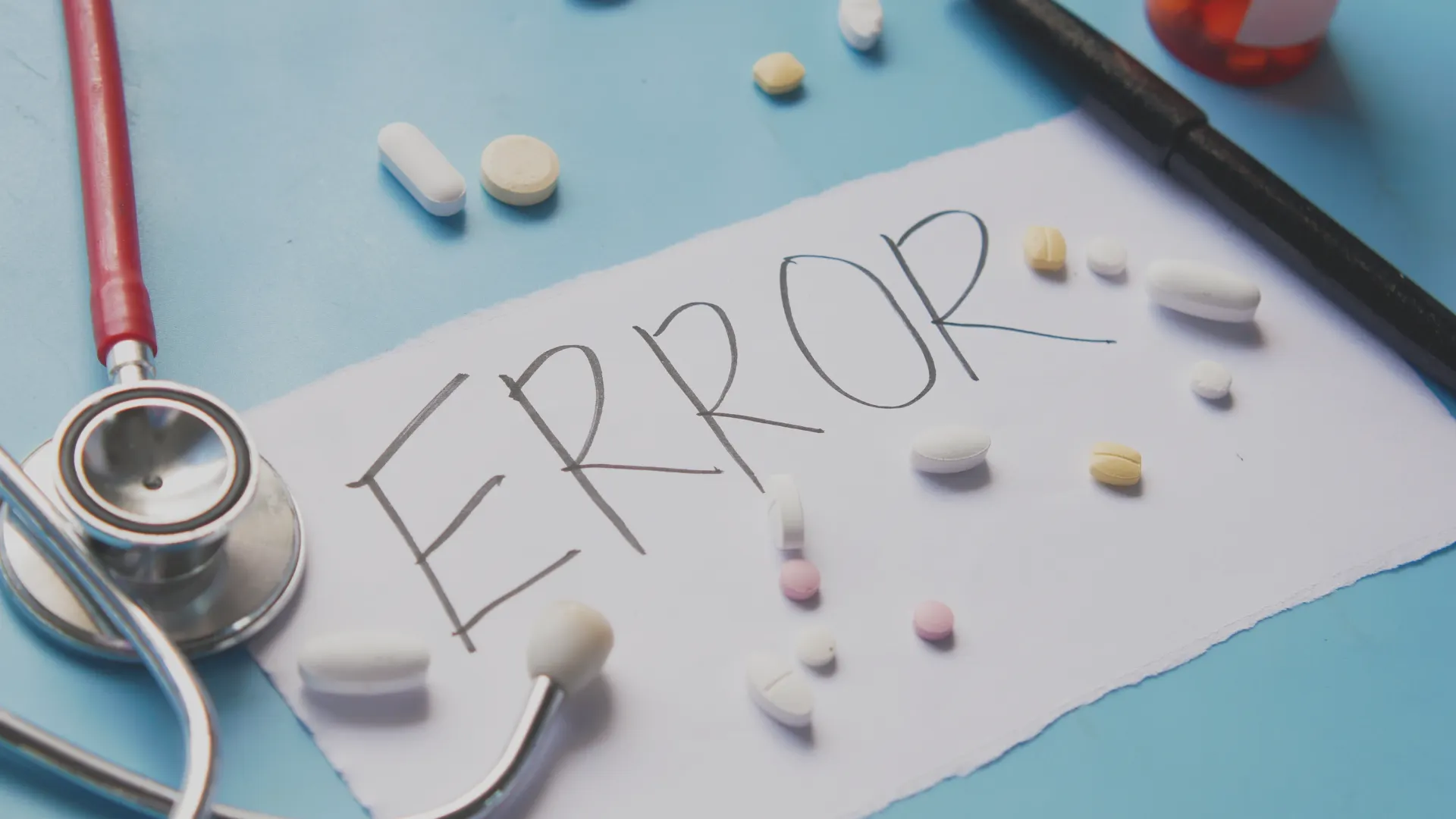
Medical errors are a silent but deadly crisis in healthcare, claiming lives, causing irreversible harm, and eroding public trust in medical institutions. In Africa, where healthcare systems are often overstretched, the risk of diagnostic mistakes, surgical errors, and medication mishaps is significantly higher. The consequences are devastating, leading to prolonged illness, permanent disability, and even death.
The Scale of Medical Errors in Africa
Medical errors are among the top 10 causes of death worldwide, according to the World Health Organization (WHO), with 2.6 million deaths annually linked to unsafe healthcare practices. In Africa, where resources are limited, the numbers are even more alarming.
A 2021 study by the African Journal of Emergency Medicine found that patient harm due to medical errors occurs in 8%–12% of hospital admissions in Africa. In Nigeria, the Nigerian Medical Association (NMA) reported that medical errors contribute to at least 5% of annual hospital deaths, though underreporting means the real numbers may be much higher.
Common Types of Medical Errors
- Misdiagnosis and Delayed Diagnosis
- A study in South Africa found that 30% of malpractice cases stem from misdiagnosis, often due to a lack of diagnostic tools and trained specialists.
- Misdiagnosis of conditions like tuberculosis, cancer, and malaria has led to preventable deaths.
- Surgical Errors
- A WHO report revealed that wrong-site surgeries, retained surgical instruments, and anesthesia errors are prevalent in African hospitals.
- In Kenya, 10% of surgical patients experience complications due to errors, with many cases never officially documented.
- Medication Errors
- The WHO states that unsafe medication practices cost African healthcare systems $42 billion annually.
- A study in Ghana found that over 60% of prescriptions in public hospitals contained errors, including wrong dosages and incorrect drug combinations.
- Infections Acquired in Hospitals
- Hospital-acquired infections (HAIs) are 2 to 20 times higher in developing countries compared to high-income nations.
- In Nigeria, a study revealed that 1 in 10 hospitalized patients develops an infection due to poor hygiene and sanitation practices.
Why Do Medical Errors Happen?
- Understaffed and Overburdened Healthcare Systems
- Africa has a critical shortage of healthcare workers. WHO estimates that Sub-Saharan Africa has only 3 doctors per 10,000 people, compared to 29 per 10,000 in Europe.
- Overworked doctors and nurses are more prone to fatigue-related mistakes.
- Poor Training and Lack of Medical Equipment
- Many hospitals lack modern diagnostic tools, forcing doctors to rely on outdated methods.
- A 2020 report in Uganda found that 40% of hospitals lacked functioning X-ray machines and blood test equipment.
- Communication Breakdowns
- Poor record-keeping leads to patients receiving incorrect treatments.
- Language barriers and misinformation also contribute to misdiagnosis.
- Limited Patient Awareness
- Many Africans lack health literacy and do not question doctors, leading to undetected errors.
- Fear of questioning medical professionals prevents patients from seeking second opinions.
The Human Cost of Medical Errors
- A mother in Nigeria lost her newborn because of an incorrect drug dosage.
- A Kenyan man underwent unnecessary amputation due to a misdiagnosed infection.
- A malaria patient in Ghana was given the wrong prescription, leading to organ failure.
These real-life cases highlight the devastating and life-altering impact of medical negligence.
How Can We Prevent Medical Errors?
- Better Training and Resources
- Governments must invest in medical education and provide essential equipment.
- Stronger Healthcare Regulations
- Stricter policies on drug prescriptions, surgical procedures, and diagnosis protocols.
- Encouraging Patient Advocacy
- Patients should be encouraged to ask questions, seek second opinions, and report suspicious treatments.
- Technology in Healthcare
- Digital medical records can reduce prescription and documentation errors.
- AI-powered diagnostics can assist doctors in making accurate decisions.
Medical errors are a silent epidemic in Africa, causing unnecessary deaths and suffering. Addressing this crisis requires urgent action, from government intervention to individual vigilance. Every patient deserves safe, accurate, and effective medical care, and it is the responsibility of healthcare professionals, policymakers, and the public to ensure that no life is lost due to preventable mistakes.
ALSO READ: Top International Safety & Environmental Jobs – This Week, Apply Now!