

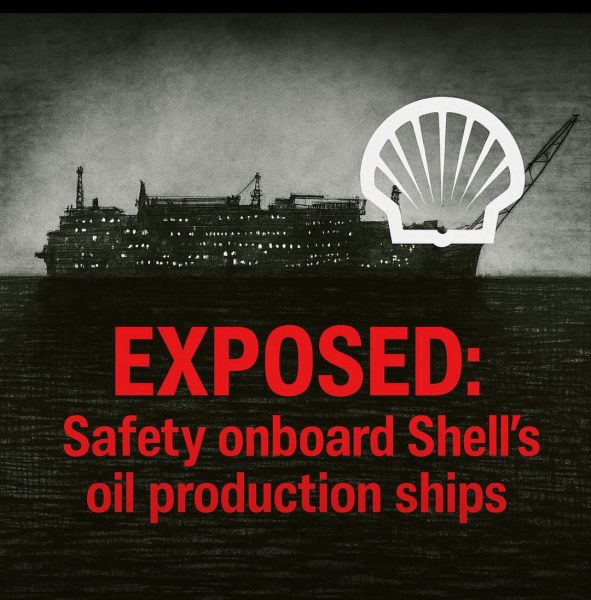
A recent investigation by The Associated Press has uncovered years of negligence and systemic safety failures aboard Shell’s offshore oil production vessels in Nigeria and beyond.
The findings reveal that Shell’s operations in the USA and Australia also exhibit similar lapses in safety performance, raising serious concerns about the company’s commitment to worker safety.
Drawing on more than a decade of experience working with Shell on safety culture assessments, I can confirm that these findings align with my own research.
In my last safety process culture survey conducted at FPSO Bonga, Shell Nigeria, in January 2022, 60% of workers reported that maintenance efforts onboard were inadequate and that safety resources were insufficient. This reflects a worrying trend of neglect in one of the company’s most critical offshore operations.
When I first initiated these safety surveys at Shell in 2011-2012, strict performance thresholds were in place: if 20% of staff rated a safety-critical aspect as “poor performance,” the company was required to implement a corrective action plan within 12 months.
However, in 2018, a senior Shell safety director instructed me to remove these thresholds from my reports. I was told this directive came from Shell’s legal team—effectively eliminating accountability measures. When I pushed back, arguing that this change would lower safety standards, my concerns were dismissed. It was a deliberate decision by Shell, seemingly designed to evade responsibility for ongoing safety issues.
This raises critical questions: If Shell can quietly dismantle internal safety safeguards, what other risks are being deprioritized behind closed doors? Safety failures not only endanger workers but also pose significant governance and operational risks. Investors should be demanding answers.
Beyond the oil industry, this issue extends to Shell’s public image. The company spends millions on sustainability messaging, but behind the scenes, workers are telling a very different story. Brands that align themselves with Shell must ask: Is this the reputation they want to associate with? For advertisers and marketing agencies, the reputational risks are real.
Integrity, safety, and transparency are not just words—they are principles that demand action. It’s time for Shell to be held accountable.
ALSO READ: This Week’s Top HSE Job Vacancies in Nigeria – Apply Before Deadlines