



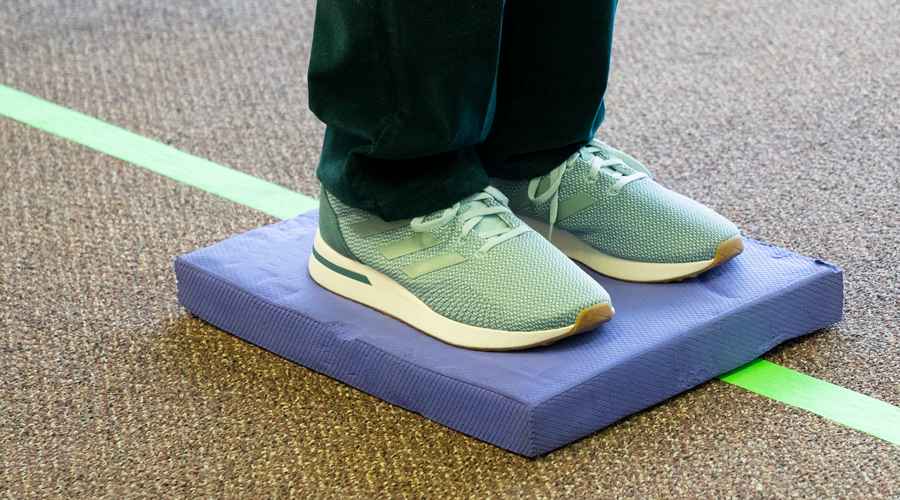
They may feel light, flexible, and easy on your feet — but those thin-soled, flat sneakers you love could be silently increasing your risk of falling, especially after age 50. New studies are revealing that these “comfortable” shoes may be undermining a key component of your body’s natural stability: proprioception.
Proprioception refers to your body’s sense of position and balance. It helps you stay upright when walking, shifting weight, or navigating uneven ground. But after the age of 50, natural proprioceptive ability declines, and the wrong footwear can accelerate this drop.
The Science: Thin Soles = Lower Balance Awareness
Research shows that ultra-thin or overly flexible soles, common in casual sneakers or soft slip-ons, reduce sensory feedback from the foot to the brain. This dulls your ability to quickly detect surface changes — like loose tiles, gravel, or slopes — increasing the likelihood of slips and falls.
Falls are no minor issue. According to the World Health Organization, falls are the second leading cause of unintentional injury deaths worldwide, with adults over 60 at the highest risk. In Africa, where older adults are often caregivers or active in community roles, a fall can mean months of recovery, job loss, or permanent mobility issues.
The Safer Alternative: Grip and Structure Matter
Experts now recommend switching to shoes with thicker, ridged soles — like hiking or trail shoes — that provide better grip and enhance foot awareness. These shoes support balance by stimulating nerves in the feet, making it easier to adjust to different terrains.
Other safe features to look for:
- Firm heel support to prevent ankle rolls.
- Textured or grooved soles for better traction.
- Minimal heel-to-toe drop to promote a stable stance.

Important for Africa’s Walking Culture
In many African communities, walking is the primary mode of transportation. From bustling markets to unpaved roads, terrain can be unpredictable. For older adults, choosing the right footwear isn’t just about comfort — it’s about preserving independence and preventing long-term injury.
By age 50 and beyond, it’s wise to reconsider your footwear. That favorite pair of soft sneakers may feel nice — but if they can’t support your step, they could cost you more than you think.
ALSO READ: Plastic Water Bottles Might Be Poisoning You – Here’s What You Should Know