


Schools are meant to be secure environments for learning and development; however, the threat of fire can rapidly transform a place of education into a scene of pandemonium and devastation. School fires can result in catastrophic repercussions, such as property damage, injuries, and fatalities, Victory Bernard writes.
On the night of Feb. 4, 2025, a tragic fire outbreak occurred in an Islamic school in the Kaura-Namoda area of Zamfara state, North West Nigeria, resulting in the loss of at least 17 young Almajiri students.
The incident left 16 others critically injured. Eyewitness accounts revealed that the fire started in the study hall of Makaranta Mallam Ghali, a local Islamic school known for accommodating pariah pupils. When the fire broke out, about 100 students were inside the hall, reciting the Quran and preparing for their night’s rest.
However, investigations by local and state authorities suggest that the fire may have been ignited by a pile of dry wooden sticks, commonly known as kara, which students use for oral hygiene. Witnesses reported that the flames spread rapidly due to the highly flammable materials stored in the school.
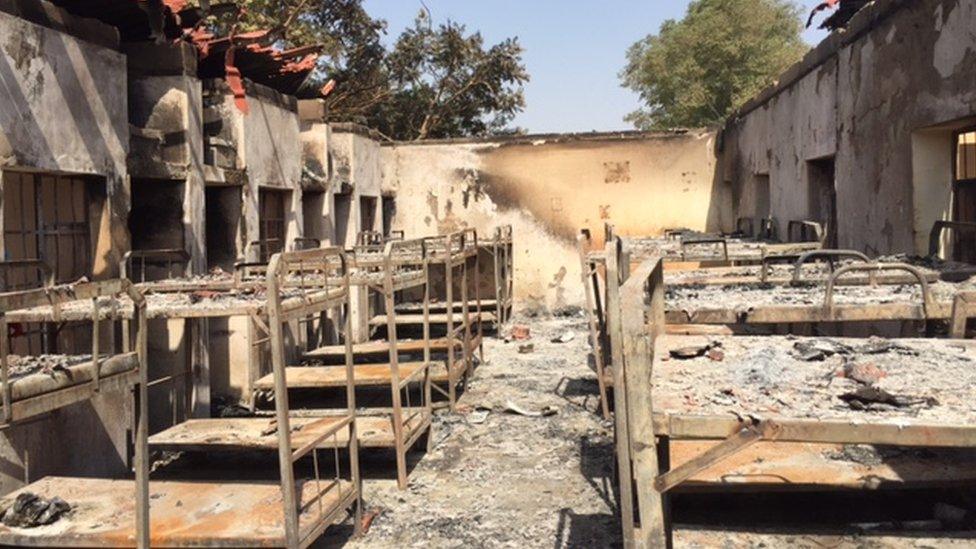
The incident is one of the cases of fire outbreak that has occurred in schools this year caused by low understanding of fire techniques, negligence. Also in July, 2025, at Dano Memorial Secondary School, Gidan Mission, Gani in Sumaila Local Government Area, Kano State, there was a devastating fire outbreak. The fire outbreak destroyed the girls’ hostel, while students had already vacated the school premises for the end-of-term holiday.
In a statement by the LGA Information Officer, Sumaila Gunduwawa, “The inferno razed the hostel’s building, leaving nearly all the students’ personal belongings in ruins. Fortunately, no lives were lost, and no injuries were reported,” the statement said.
According to the statement, the chairman of the local government, Farouk Abdu, had paid a visit to the school where he assessed the extent of the damage caused by the inferno. Abdu, who described the incident as very unfortunate, expressed his heartfelt sympathy to the school’s management and the affected students.
The damages caused by fire incidents can hardly be rectified in the aftermath of the occurrence. It is expedient for school managements and boards to get educated on fire safety and its techniques. They must look beyond the classroom into the critical roles of implementing fire safety policies to save lives and properties. Education is as valuable as the safety of the participants.
Schools can establish a secure environment that promotes academic excellence and safeguards the well-being of students, instructors, and staff by emphasizing fire safety and prevention. Hence, stakeholders involved must make crucial effort to understand the significance of fire safety in educational institutions and examine critical prevention and preparedness strategies.
In an interview with an expert in the fire safety industry who has served in a national capacity, a Former Officer of the Federal Fire Service, Barr Leo E Ekong Acg(Rtd) PhD., established that no explosion comes without a cause or reason. He explained that it was important to identify and eliminate the causes of fire incidents while adding that school stakeholders must get adequate training on fire safety.
Regarding the re-occurrence of fire incidents, he said, “It is very shameful.”
“When we talk about fire incidents in school- where the fire happened helps us determine the cause. Apart from students cooking, electrical connections and wires, are likely to cause fire incidents in schools.” He continued.
“Housekeeping is also another thing that can cause fire incidents. Fire starts when it has something to burn. The environment matters when it comes to fire incidents. There should be fire extinguishers in schools and students and staff must be taught how to use it,” he said.
Another stakeholder in the fire safety industry, Mr. Amodu Shakiru, Head of Public Education at the Lagos State Fire and Rescue Service (LSFRS), harped on some necessary guidelines and policies to be implemented by schools to prevent fire outbreaks.
According to the fire officer, “To prevent fire incidents in schools and prepare students and staff for emergencies, firstly there should be regular electrical maintenance to ensure electrical systems, equipment, and wiring are inspected and maintained regularly.”
“Secondly, the proper storage and housekeeping goes a very long way because the storage of flammable materials, such as chemicals and fuels, in designated areas with proper ventilation is very crucial in preventing fire occurrences in schools. Install and regularly test fire alarms and suppression systems.”
“Provide regular fire safety training for staff and students while developing and regularly practicing a fire evacuation plan with clear exit routes and assembly points. Conducting regular fire drills to ensure students and staff know what to do in case of a fire and also ensure fire extinguishers are easily accessible and staff knows how to use them.”
“Establish a clear communication plan for emergency situations like calling the emergency number 767 or 112 (in case of Lagos) whenever there is any emergency and also assign specific roles to staff members, such as fire wardens, to coordinate evacuation and emergency response.”
He further mentioned the necessary actions to be taken before, during and after fire incidents. According to him, to before any such emergency occurs, there must be a fire evacuation plan that is regularly practiced including exit routes and assembly points.
During a fire emergency, he informed that students, staff or those around should, “raise an alarm to alert others; evacuate the building immediately, using designated exit routes; remain calm and follow the evacuation plan; gather at the designated assembly point for accountability; and call emergency services or notify someone to do so.”
After a fire outbreak, Mr Amodu stated that it was necessary to, “conduct a debrief to discuss the emergency response and identify areas for improvement; review and update the evacuation plan as needed; and provide support to students and staff affected by the emergency.”
Still speaking he further on the use of fire extinguishers, he harped that, “fire extinguishers and safety equipment should be placed in easily accessible locations, such as exits, hallways, laboratories, areas with high fire risk.”
“Ensure clear signage is posted to indicate the location of fire extinguishers and safety equipment. Ensure that fire extinguishers and safety equipment are not obstructed by furniture, equipment, or other objects. Conduct regular inspections of fire extinguishers and safety equipment to ensure they are in good working condition.”
“Perform monthly checks on fire extinguishers to ensure they are fully charged, easily accessible, and not damaged. Schedule annual maintenance with a certified professional to inspect and service fire extinguishers and safety equipment. Keep records of inspections, maintenance, and testing to ensure compliance with regulations.”
“Provide training for staff on the proper use and maintenance of fire extinguishers and safety equipment. Educate students on the location and proper use of fire extinguishers and safety equipment.” He said.
As seconds count, the role and responsibility now falls to school administrators, school managers, staff and students to take the right steps to ensure that our learning hubs- schools, are safe havens and free from dangers of fire incidents. As seconds count, the government at all levels must as well ensure that fire safety policies are integrated and implemented.