




Buying a house is more than choosing a beautiful space. It is a health and safety decision that affects your long term wellbeing. Many hazards are invisible during a quick inspection, which is why every buyer must evaluate safety features before making a commitment.
Below are ten well explained, research based checks every prospective homeowner should prioritise.
1. Structural Integrity
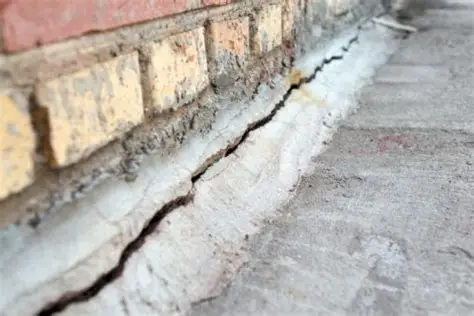
Start with the bones of the building. Examine the foundation, pillars, beams, and major walls for cracks, bulges, or sinking. Structural defects indicate past water damage, poor construction, or soil instability. These faults can worsen with time and may cost millions to repair or lead to building collapse.
2. Roof Health
A house is only as safe as its roof. Inspect for rust, missing shingles, sagging, or signs of leakage. A compromised roof encourages dampness, mould, and eventual rot. Roof replacement is expensive, so knowing the true condition helps you avoid hidden costs.
3. Electrical System
Electrical faults remain one of the leading causes of residential fires. Check that the wiring is modern, properly grounded, and installed by certified professionals. Look at the fuse box, test sockets, and watch for burn marks or exposed wires. Unsafe electrical systems pose immediate danger.
4. Plumbing and Water Safety
A good house should have clean water flow and safe disposal of wastewater. Inspect pipes for rust, leaks, low pressure, or unusual smells. Hidden plumbing issues can weaken the building’s structure, encourage mould, and increase monthly maintenance bills.
5. Indoor Air Quality and Ventilation
Ventilation affects respiratory health. Poor airflow traps pollutants, moisture, and cooking fumes. Ensure windows open fully and that kitchens and bathrooms have functional exhaust systems. Poor indoor air quality contributes to asthma, allergies, and mould growth.
6. Fire Safety Features
Every home should have smoke detectors, fire extinguishers, clear escape routes, and fire resistant materials around the kitchen. If these are missing, the house is not ready for safe occupation. Fire doors and easy access to exits are also important.
7. Physical Security
Check the strength of doors, locks, burglary bars, perimeter fencing, motion lights, and visibility around entrances. A safe home should discourage break ins and support emergency escape without obstruction.
8. Environmental and Location Risks
Study the area for flood history, erosion, poor drainage, overhead power lines, or nearby fuel stations. These environmental factors influence long term safety and insurance costs.
9. Pest and Infestation History
Termites, rodents, and reptiles hide in ceilings, basements, and wall cavities. Look for droppings, hollow wood, chew marks, and unusual odours. Infestations destroy structures and pose serious health hazards.
10. Accessibility for Emergency Response
Check if ambulances, fire trucks, and security vehicles can easily reach the neighbourhood. Narrow routes, blocked streets, or poor road networks slow emergency response in critical moments.
A house may look perfect, but only a thorough inspection reveals its true safety condition. To avoid risks and future expenses, the smartest step is to hire a certified safety inspector who can conduct a comprehensive assessment before you buy.