





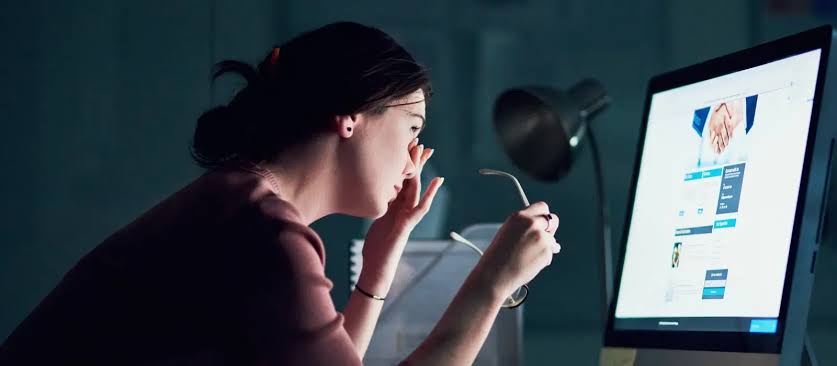
In an era where work, school, and social life increasingly happen online, screens have become unavoidable. Smartphones, computers, tablets, and televisions dominate daily routines, and with them comes a hidden cost: digital eye strain, sometimes called computer vision syndrome.
Research from the American Optometric Association (AOA) indicates that the average person spends more than seven hours a day looking at screens, and for gamers or remote workers, it can be over eight hours.
Symptoms of prolonged screen exposure include dry eyes, blurred vision, headaches, eye fatigue, and even long-term vision deterioration if ignored. Globally, eye care professionals are raising alarms.
Dr. James Sheedy, a leading optometrist in the U.S., notes, “Digital eye strain is not merely uncomfortable- it can reduce productivity, impact learning, and, in children, interfere with normal visual development.”
Children are especially vulnerable. Pediatric ophthalmologists warn that prolonged screen time can disrupt sleep patterns, contribute to myopia, and delay motor and cognitive development.
Research published in The Lancet highlights that excessive near work in children, particularly on digital devices, correlates with a significant rise in nearsightedness worldwide. But the solution doesn’t require abandoning technology.
Eye health experts recommend practical, evidence-based strategies:
• Follow the 20-20-20 rule: Every 20 minutes, look at something 20 feet away for 20 seconds to relax eye muscles.
• Adjust lighting and reduce glare: Position screens away from direct sunlight, bright overhead lights, or reflective surfaces. Use adjustable lamps and anti-glare filters.
• Mind your screen setup: Keep monitors at arm’s length, with the top of the screen slightly below eye level. Smartphones and tablets should be held slightly below eye level to avoid neck strain.
• Use computer glasses: Special lenses for screen distance can reduce strain for those who spend long hours in front of monitors. These are different from regular prescription glasses or blue-light blocking glasses.
• Adjust brightness and contrast: Screens brighter than your environment force your eyes to overwork, while proper contrast reduces fatigue.
• Take offline breaks: Engage in activities that do not involve screens- reading a book, exercising, or socializing- to give your eyes and mind a rest.
Global health bodies like the World Health Organization (WHO) and ophthalmology centers, including Mayo Clinic, emphasize that protecting vision is not just about comfort; it is about preventing long-term health consequences.
Fatigue, headaches, and blurred vision are warning signs of overuse that should not be ignored. For adults, balancing productivity with eye care means building conscious habits- scheduling screen breaks, optimizing workstations, and incorporating outdoor time into daily routines.
For children, it means monitoring screen time, encouraging outdoor play, and ensuring regular eye exams. In a world dominated by screens, healthy vision starts with smarter habits.
By taking proactive steps today, individuals can enjoy the benefits of technology without sacrificing their eyesight tomorrow.