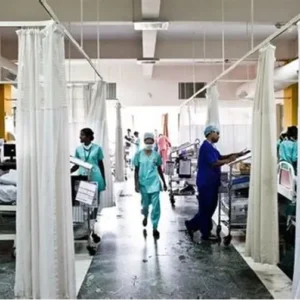



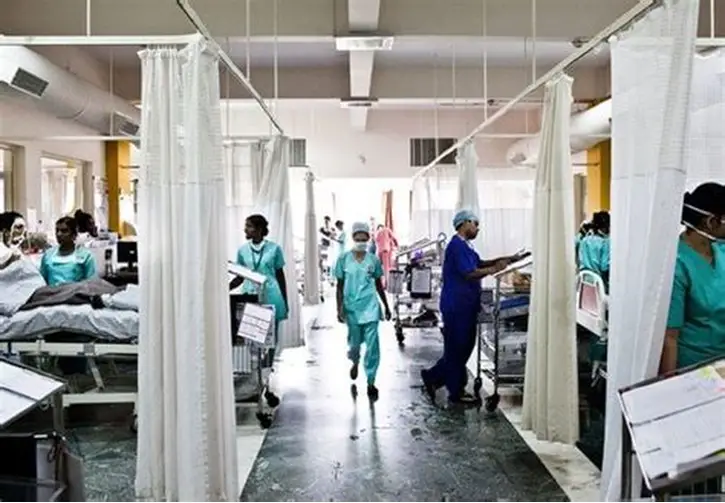
Hospitals save lives. They also expose workers and patients to persistent, predictable hazards. In Africa, the danger is amplified by resource gaps, weak systems and high patient loads. The result is elevated rates of infection, needlestick injuries, occupational illness, violence and long-term workforce strain. This report explains what keeps hospitals risky, with evidence, causes and clear actions for leaders, clinicians and policymakers.
The scale of the problem – hard numbers
Health workers face a broad mix of on-the-job hazards: biological (infectious agents), chemical, radiological, ergonomic, psychosocial and physical violence. Protecting them must be core business for health systems.
Needlestick and sharps injuries remain one of the most frequent and dangerous occupational incidents in healthcare worldwide. Global estimates indicate more than two million occupational exposures annually among an estimated 35 million health workers.
Regionally, peer-reviewed studies and surveys show high prevalence. Pooled research from Ethiopia found about 40 percent of healthcare workers reported a needlestick or sharps injury. Other African studies report similar rates, with some surveys indicating around 40–42 percent of workers exposed in a 12-month period. These figures are orders of magnitude above what high-income systems record.
Healthcare associated infections (HAIs) also burden African hospitals. In low and middle-income countries, roughly 10 percent of patients undergoing surgery acquire an infection; in parts of Africa, specific procedures such as caesarean section see infection rates as high as 20 percent. Neonatal and intensive care units report especially high burdens. Poor surveillance and inconsistent reporting mean these numbers may understate the true scale.
Finally, the workforce itself is stretched. Although the African Region has increased its stock of core health professions in recent years, density remains low compared with needs. Gaps in staff numbers and training intensify exposure to hazards and slow the system’s ability to respond to incidents.
Why the risks persist – systems and behaviours
- Infection prevention and control (IPC) gaps. Inadequate hand hygiene facilities, shortages of disinfectants, inconsistent sterilisation and absent surveillance allow pathogens to circulate. Where IPC is weak, both patients and staff pay the price.
- Sharps and waste management failures. Poor disposal systems, lack of engineered safety devices and reuse practices lead to frequent needlestick injuries. Training alone is not enough without safe containers, sharps-safe devices and reliable waste disposal.
- Staff shortages and excessive workloads. Overworked staff rush tasks, skip safety steps, reuse PPE or instruments, and suffer fatigue that increases error rates. Short staffing is a multiplier for nearly every other hazard.
- Poor occupational health services. Few facilities offer routine vaccinations, post-exposure prophylaxis, or confidential incident reporting and follow up. When exposures happen, many workers lack timely access to testing and treatment.
- Infrastructure deficits. Crowded wards, failing ventilation, absence of isolation rooms, and outdated sterilisation units increase airborne and contact transmission risks. Surgical and ICU outcomes suffer most.
- Psychosocial hazards and workplace violence. Verbal and physical assaults, long hours, and moral distress from resource constraints raise burnout and reduce adherence to safety protocols. These are under-reported but widely documented.
- Weak reporting and surveillance. Without reliable data on HAIs, sharps injuries and occupational illness, systems cannot prioritise interventions. Low detection creates a false sense of security.
Consequences – beyond immediate harm
• Human cost. Infections and injuries cause illness, disability and in some cases death among health workers and patients.
• Operational cost. Staff absenteeism, litigation, and longer hospital stays raise system costs.
• Public trust. Repeated safety failures erode confidence in health services and can deter care seeking.
• Antimicrobial resistance. High HAI rates and poor antibiotic stewardship accelerate resistance, raising future clinical risks.
What works – pragmatic, evidence-based interventions
The fixes are neither mysterious nor always expensive. They require political will, consistent funding and routine management.
- Prioritise IPC as a budget line. Hand hygiene stations, supplies, cleaning staff, and surveillance systems show rapid returns. Even basic investments cut HAI rates.
- Scale up engineered safety for sharps. Replace old needles with safety-engineered devices where possible, enforce single-use policies, and ensure accessible sharps containers at point of care. Training plus safe devices reduces needlestick injuries dramatically.
- Expand occupational health services. Vaccination for hepatitis B, access to post-exposure prophylaxis, confidential reporting and rapid testing for exposures must be standard in every hospital.
- Strengthen staffing models. Targeted hiring, flexible rostering and task sharing reduce overwork. Where hiring is slow, adjust workflows to protect high-risk staff and tasks.
- Improve waste management and sterilisation. Invest in incineration, autoclaves and safe transport of clinical waste. Low-cost modifications to waste streams yield big safety gains.
- Embed safety culture and reporting. Non-punitive incident reporting encourages disclosure. Regular mortality and morbidity reviews, with frontline staff participation, turn data into action.
- Use data to guide action. Even basic HAI surveillance and sharps injury logs allow trend analysis and targeted interventions. Start small, scale fast.
A short checklist for hospital leaders (practical first 90 days)
- Ensure continuous supply of soap, alcohol hand rub and PPE.
- Place sharps containers within arm’s reach in all clinical areas.
- Launch a non-punitive incident reporting box and weekly review.
- Verify hepatitis B vaccination status for all clinical staff.
- Audit sterilisation records and clean high-risk surfaces daily.
- Protect staff with clear rostering to avoid excessive shift lengths.