
Even after the explosion fades, danger lingers. In conflict zones, survival is no longer just about dodging bombs, it’s about knowing which walls to trust, which roads to take, and whether the water you drink is safe.
Every day becomes a test of awareness, and every action carries risk. In these moments, practical safety measures are the difference between staying safe and facing preventable hazards.
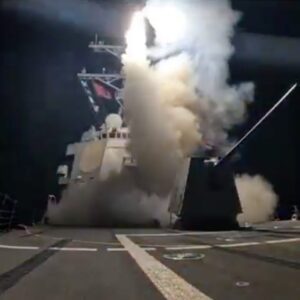
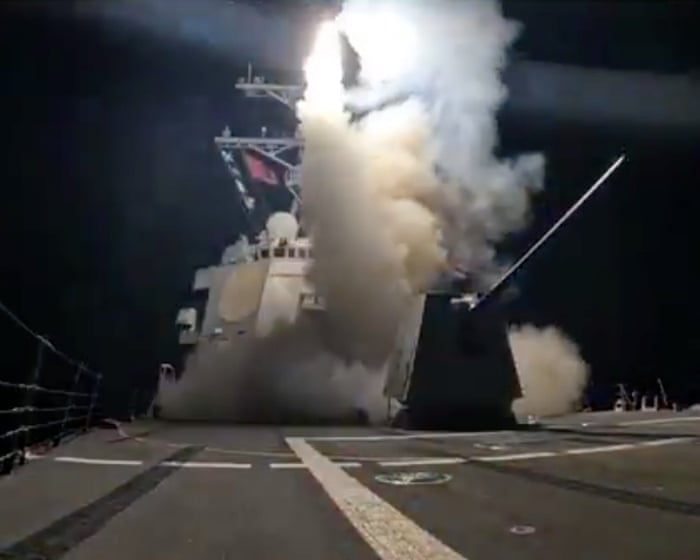
The recent U.S. airstrike on ISIS targets in Northern Nigeria on Christmas Day illustrates that even well-planned military operations can leave communities navigating complex safety challenges.
It underscores the broader implications of living near conflict zones, where everyday hazards structural damage, debris, environmental contamination, and psychological stress can affect communities long after military actions conclude.
Here are key safety measures civilians must know in conflict zones regions:
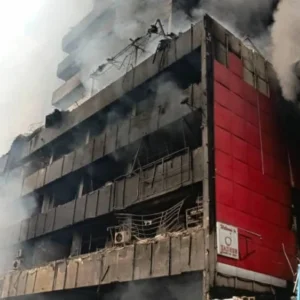
• Avoid Weakened Buildings: Structures can be damaged or weakened even if they appear intact. Civilians should steer clear of cracked walls, damaged roofs, and partially collapsed buildings until stability is confirmed.
• Stay Alert for Hidden Hazards: Areas near conflict operations may have debris, unstable structures, or remnants of military activity. Being cautious when moving through streets, fields, or near buildings reduces accidental injury.
• Reduce Exposure to Dust and Smoke: Explosions and debris release harmful particles. Covering the nose and mouth and limiting exposure during clean-up reduces respiratory risks.
• Ensure Safe Water and Sanitation: Water sources can be compromised after nearby operations. Treating water before drinking, keeping containers clean, and maintaining proper sanitation prevents potential illness.
• Manage Fire and Electrical Hazards: Damaged power lines, generators, or fuel sources can create safety risks. Avoiding compromised equipment and storing fuel safely reduces accidents.
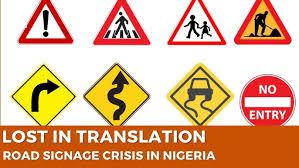
• Plan Safer Routes for Movement: Roads, bridges, and footpaths may be unstable or obstructed. Identifying safer paths ensures access to healthcare, markets, and aid.
• Recognise Psychological Safety Risks: Even without immediate physical danger, stress and anxiety can impair judgment. Community support and calm, informed decision-making help reduce accidents.
Top Expert Speaks

In a statement, Top Safety Expert and Managing Director, Kevron Consulting, Engr. Dr. Kayode V. Fowode, implored health and safety professionals, policymakers, and global citizens, to be award of the health and safety risks surrounding conflict zones.
He said, “The reported U.S. airstrike in Northern Nigeria raises a difficult but necessary question: how do we balance military necessity with our collective responsibility to protect innocent lives, especially in communities already living on the edge of survival?”
Dr. Fowode emphasizes that precision strikes may reduce harm, but they cannot eliminate broader health and safety risks for surrounding populations.
He highlights the importance of civilian risk assessments, post-operation safeguards, and preparedness measures as key components of responsible safety planning. Dr. Fowode’s insight reinforces the HSE perspective: safety in conflict zones must extend beyond immediate threats.
Everyday hazards, from weakened structures to environmental risks, require planning, awareness, and practical measures that civilians can apply daily.
Dr. Fowode emphasizes: “True security should not be measured only by neutralized threats, but by how well we also safeguard innocent people even in the darkest hours.”
Conclusion
Safety in conflict zones extends beyond military operations. Protecting communities means anticipating risks, educating civilians, and integrating simple safety practices into daily life. Because when the headlines fade, safety is still a responsibility.