




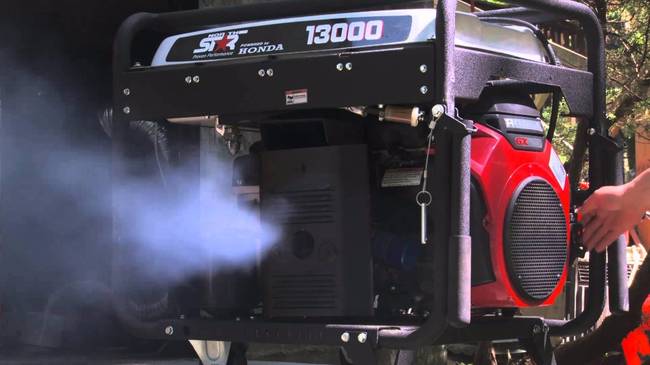
Portable generators have become a fixture in many homes and workplaces, providing relief from frequent power outages. But what should be a convenience often turns deadly because of recurring safety mistakes. Each year, hundreds of preventable injuries and deaths happen due to improper generator use. Understanding where things go wrong can save lives.
Why Generators Are Dangerous
Generators produce electricity by burning fuel such as petrol or diesel. In doing so, they generate carbon monoxide (CO) a colorless, odorless gas that can cause death within minutes in enclosed spaces. They also pose risks of electric shock, fire and burns if not used correctly. The U.S. Centers for Disease Control and Prevention (CDC) reports that hundreds of people die annually from unintentional CO poisoning linked to gasoline‑powered generators, most of them in homes or garages. Even brief exposure in poorly ventilated spaces can be lethal.
Common Generator Safety Failures
1. Running Generators Indoors or in Poorly Ventilated Spaces
One of the leading causes of generator‑related deaths is placing them inside homes, garages or enclosed verandas. CO can accumulate quickly, leading to poisoning without warning. Symptoms include headaches, nausea, dizziness, confusion and loss of consciousness. Many victims never realize the danger until it’s too late.
2. Improper Fuel Storage and Handling
Fuel for generators is highly flammable. Storing petrol in inappropriate containers or near living spaces increases the risk of fire and explosion. Refilling a running or hot generator can ignite fuel vapors. Fuel should always be handled with extreme care, stored in approved containers, and kept away from children and flames.
3. Lack of Proper Grounding and Electrical Safety
Generators must be correctly grounded to prevent electric shocks. Connecting a generator directly to a building’s wiring without a transfer switch can backfeed electricity into power lines, putting utility workers and others at risk. Using worn cords or overloading circuits also leads to short circuits and fires.
4. Ignoring Manufacturer Instructions
Many generator owners use these machines without reading safety manuals. Every generator model has specific requirements for setup, maintenance and safe distances from structures. Ignoring these instructions increases risk significantly.
Real Consequences
Across Nigeria, emergency responders report frequent calls to carbon monoxide poisoning and generator fire scenes. The risks are highest during the Harmattan and rainy seasons when windows remain closed and indoor air movement is reduced. Poor ventilation combined with generator fumes is a dangerous mix that often goes unnoticed until people begin suffering symptoms.
How To Use Generators Safely
• Run generators outdoors, at least 10 meters from any building, with exhaust directed away from living areas.
• Never run a generator in bedrooms, kitchens, garages or closed verandas.
• Install carbon monoxide detectors near sleeping areas.
• Use only approved fuel containers, and never refuel a hot or running unit.
• Have a qualified electrician install a transfer switch for home wiring.
• Regularly inspect cords and connections for wear and damage.
Prevention Is Better Than Rescue
Generator accidents are preventable with the right knowledge and precautions. Awareness campaigns, clear safety labeling, and community education on CO dangers can reduce unnecessary deaths. Families and businesses must view generator safety as a critical part of daily planning, not an afterthought.
Generator power is useful, but unsafe use kills quietly. Prioritising proper setup, ventilation and handling protects lives and homes.
ALSO READ: The Health Risks of Sleeping in Poorly Ventilated Rooms: What You Must Know