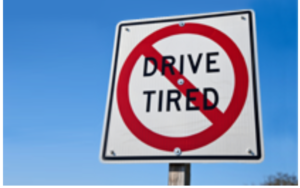




Fatigue Risk management and impacts toward safety while driving
Risk Management System (FRMS) is a data-driven system, based upon scientific principles and operational knowledge and applied to monitor and mitigate the effects of fatigue and fatigue-related performance errors. A FRMS seeks to identify the factors and sources of fatigue within a work environment, and implement measures to address them.

The health and trucking industries increasingly tend to be the one who really need these programs and measures. Typically, a FRMS will describe the requirements and procedures relating to how a company will schedule trips, roster drivers, establish a driver’s fitness to work, educate drivers in fatigue management, manage incidents on or relating to commercial vehicles, and establish and maintain appropriate workplace conditions.

Fatigue risk management are the ways in which employees help the employees to manage every form and causes of fatigue.
Below are what employers can do to support fatigue risk management and help their employees towards safety.
1. Support Employees Health and Wellness.
An employee with a healthy and adjustable work-life balance is much less susceptible to fatigue or stress. The employer should learn to provide tools, guides and ideas that will help staff make healthy lifestyle choices. Encourage more active employees to get group rates for gym passes, have in-house facilities (ping-pong table, stationary cycle, stair machine, etc.), support participation in weekend community and fun events.
Organizations who are proactive and invest in employee wellness have tracked their success in terms of reduced health benefits costs, lower absenteeism and increased workplace engagement. They report “returns on investment“ and this boosts the company’s growth.
Impact and risk of fatigue associated with employees who drive
2. Be realistic with work expectations from staff.
If you read our article on types and causes of fatigue, you will realise work overload is one of them. Most employers are unrealistic with the expectations of work output they demand from their employees. One driver may be able to function reliably for 13 hours, while another driver’s performance declines sharply after 11 hours. A stress-filled 10-hour day is more tiring than an easy-going 12-hour day. Organization should ensure to give workload based on strength and capability, not on what they must achieve at any cost.
3. Be informed of employees’ working periods.
Every organization has their own commitments, just like the employers, employees have personal workload that requires their attention and energy when they are off their work duty, which makes employees active at different periods of the day. Organization should learn to be conversant with their employees to know when their active period of work is and make use of the opportunity.
4. Instruct drivers to rest often
A lot of the time, organizations feel the logo on their car which says “Call us if this driver is over speed”. A lot of driving organizations feel this would save them a lot of time, but the truth is, intimating your driver on why they need to rest and relax when they are off their schedule will help more.
Any drive, either short or long, can result in a sore and tired driver, so ensure to implement and affirm resting periods to your drivers.

5. Optimize Schedules
Arranging a committee or group of employees to ensure safe and reliable results is challenging. Fleet managers have to contend with delivering an increasing diversity of products and services to clients in more destinations and with varying schedules. There is a variety of tools available to help search the web using key words like “fleet scheduling tools”. These schedule tools will not only make the job easier but will ensure that fatigue risk management is being put into great consideration, and also that the wellness of the driver is your top priority.