


Basic first aid techniques safety professionals must know
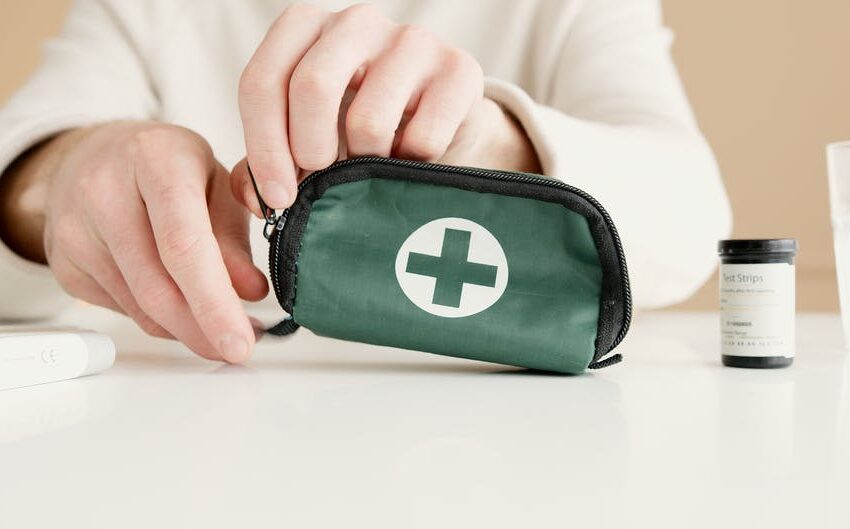
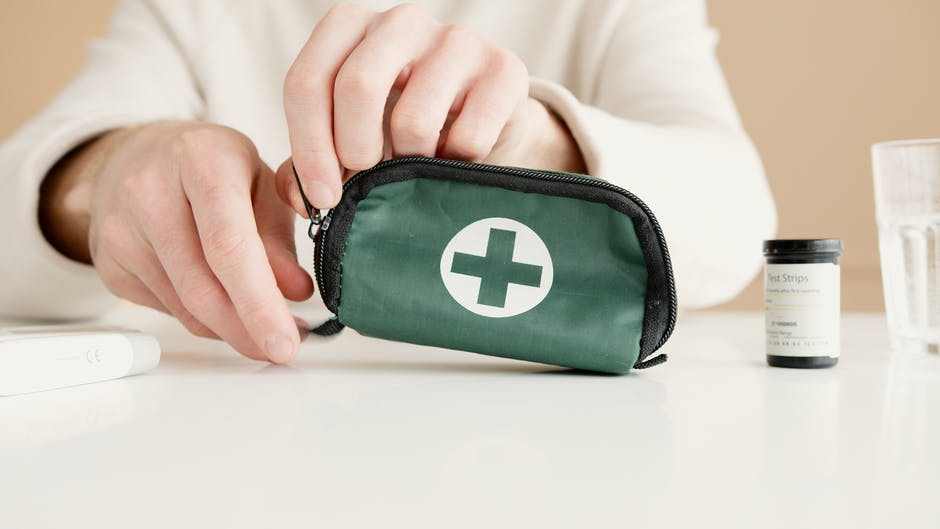
First, a person must receive before the attention of medical personnel get focused on. First aid treatment to people and neighbors must be done out of love and pure heart. The need for the use of the first aid box is highly important and required for every safety professional or individual who would love to administer care to people in case of a sudden accident or sudden body disruption.
There are techniques that an individual who wants to practice First Aids box must understand and put it into use all the time.
Below are five techniques which will allow everyone to see his kingdom
1. Control of the spine
During first aid treatment, it is very important you learn in a Wilderness First Aid class how to stabilize the spine. If someone has taken a big fall or has been hit in the head or back with a good deal of force, their spine must be stabilized immediately. All it takes is holding the head very still and firm so that the person can’t move their heads in any direction. With the injured lying down, you can do this with your hands or your knees. Immobilizing the spine allows someone with higher training to continue a full-body assessment, making sure there are not any other injuries. By keeping the head immobile, you prevent the patient from severing their spinal cord and paralyzing themselves.
2. Apply direct pressure on a bleed.
While it is interesting to be a first aid treatment volunteer, it is also very important to understand that you may come in contact with blood or not. The need for the presence of PPE is highly recommended. Should someone fall into a situation where they bleed badly, the most effective first-aid techniques are simply direct pressure. That means finding the source of the blood, getting to the skin so you can actually see the wound, and (with a gloved hand and some gauze) applying steady, firm pressure to the bleed. Do not release pressure until at least twenty minutes are up, allowing time for the blood to congeal. You keep the patient from bleeding to death and free up the first-aid leader to continue the assessment and treat other wounds.
3. Heat Exhaustion
Hydration is key, as well as getting into the shade and cooling down. The process of getting and reaching some form of wetness to calm the body down is a very important technique for the First Aid box. Loosening tight clothing and a quick dip in the river or a nearby creek, or a bucket of water over the head will cool an irritable companion quickly and avoid escalation to heat stroke.
4. Hypothermia
A significant and potentially dangerous drop in body temperature. The most common cause is prolonged exposure to cold. If someone takes too many dips in cold water without reheating or stays in freezing water for too long, mild hypothermia can set in. Simply remove wet clothing and warm the person, slowly, focusing on the head and torso first. A fast reheat can be painful and sometimes referred to as the “screaming barfies.”

5. Rice
Sprains and strains are the most common injury in the backcountry. In a First aid treatment class you will learn that the best treatment for a sprain or strain in any joint is rest (don’t use it), ice (20 minutes on, 20 minutes off), compression (a snug wrap with an ACE bandage or wet bandana that won’t cut off blood circulation) and elevation (raising the injury above the heart). With these simple steps, you can greatly reduce swelling and prevent further damage to fragile joints. Once the swelling can be reduced, then the strain or sprain can be easily managed.
First aid should be portable enough for it to be a conveyor to other places. The use of a well-stocked First Aid box is very important as it helps to fasten and improve each technique to be used.