


Common aviation hazards that affect the industry’s growth
Hazard is anything which could cause harm, damage or injury, such as bad weather, wires, wildlife and fatigue.
There are many potential hazards in aviation, and these can place potential danger on either the pilot, the plane or even the passenger. Either of which the danger may affect, aviation hazards are always dangerous and very detrimental, and this will require a lot of energy if not handled properly as it should be from the onset.
Below are common hazards which can be encountered by the aviation industry.
1. Environmental conditions
The aviation industry is most importantly a victim of environmental hazards at all times. The most common hazard the aviation sector can face at anytime without notice is mostly environmental hazards. Those environmental hazards, including extreme weather and environmental conditions such as volcanic ash clouds, can create hazards for aviation. Some of which maybe very dangerous and could have maximum or minimum impact depending on how it was handled by a passenger or pilot.
2. Wire strike
The use of electricals in aviation at times can also cause hazards which are not seen.
The power and telephone wires are an insidious hazard for any pilot who has to fly low for a living. So the need for carefulness is highly required to avoid a spark, burn or any form of electrical touch that may lead to electrical hazard.
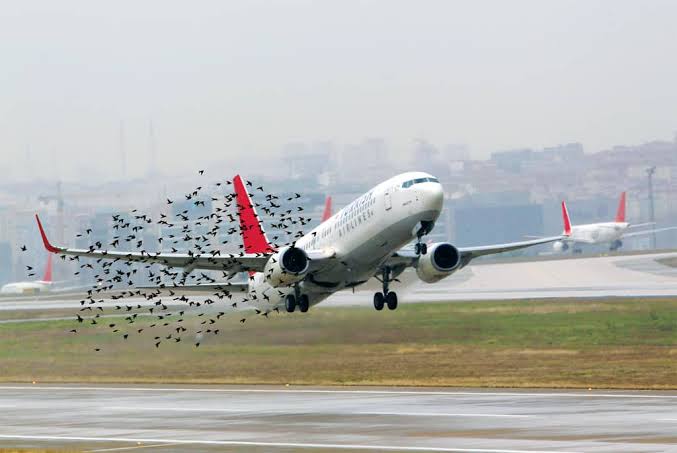
3. Wildlife
While other hazards maybe seriously discussed and wildlife is often left behind in aviation, they are very important people who have the knowledge of how wildlife maybe another source of endangerment in the aviation sector.
Aviation safety statistics show that wildlife can pose a significant safety hazard, and that most wildlife strikes happen around the time of take-off or landing.

4. Fatigue
Anyone can get tired, tiredness is involuntary action which occurs to everyone once you refuse to take some minutes to rest after tedious work or schedule. Fatigue is a major hazard as it affects most aspects of a crew member’s ability to do their job, and the result produced. Fatigue can be much more dangerous when it is not handled immediately and fast as accidents on the air are usually very brutal, so it is much more important to prevent any situation which may cause it than try to provide a solution when it happens.
5. Chemical abuse
The use of drugs or laxative is also another form of hazard in the aviation industry. Pilot are always advised to be in the most reasonable frame of mind before kick-starting the plane for any flight. The need for a hundred-percent sound mind and body is required at all times in the aviation sector. The ability to make a fast and swift decision without endangering the lives and properties of passengers is highly required and may bridge the trust clients have in the industry when breached.