

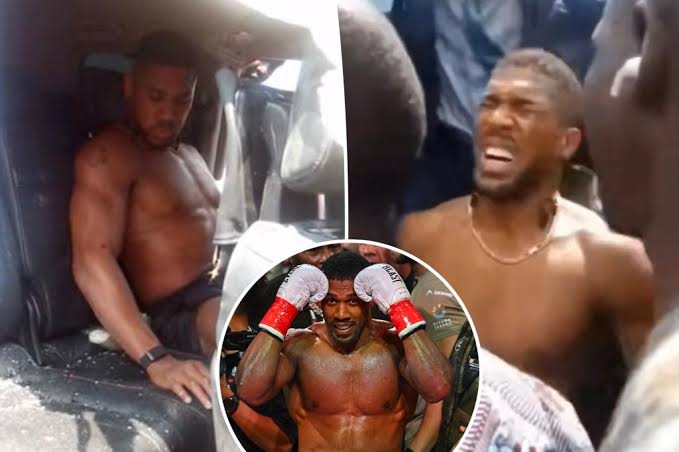
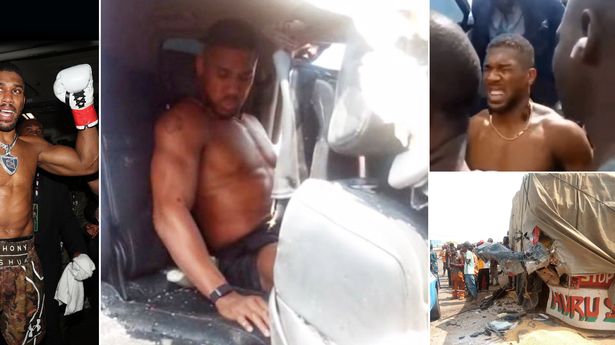
For a brief moment on the Lagos–Ibadan Expressway in Ogun State, fame offered no shield. The crash involving global boxing icon Anthony Joshua was not just another celebrity headline, it was a stark reminder of how vulnerable every road user is on Nigeria’s highways.
Two lives were lost. Several others were injured. And a familiar question resurfaced with urgency: How safe are our roads, really?
Beyond the shock and social media reactions, the incident opens up critical safety conversations that affect millions of Nigerians who travel these roads daily, without cameras, escorts, or international attention.
Speed, Overtaking, and the Thin Line Between Arrival and Disaster
Preliminary findings pointed to speed and dangerous overtaking, two of the most common causes of fatal crashes in Nigeria. On major expressways like Lagos–Ibadan, vehicles often travel far above safe limits, encouraged by long stretches of open road and poor enforcement.
Yet speed reduces reaction time. Overtaking on highways with mixed traffic cars, trucks, buses, creates a deadly gamble where one miscalculation can end multiple lives.
The Silent Danger of Parked Heavy Trucks
One critical but often ignored safety issue highlighted by the crash is the presence of stationary or broken-down trucks on highways, sometimes without reflective warnings or hazard signs.
These vehicles effectively become moving death traps, especially at high speed or in poor visibility. Without proper road shoulders, emergency triangles, or enforcement of safety regulations, drivers often meet obstacles too late.
This is not just a driver problem it is a system failure involving infrastructure, regulation, and accountability.
Road Safety is not a Selective Issue
Anthony Joshua survived with non-life-threatening injuries. Most victims on Nigerian roads are not so fortunate and they rarely make headlines. That contrast is important.
If a high-profile figure can be caught in such a situation, it underscores how exposed everyday commuters, students, traders, and families are especially during festive travel periods when roads are crowded and patience is thin.
The tragedy reminds us that road safety is not selective. It does not recognize status, strength, or success.
What This Incident Demands Going Forward
The Ogun crash should not fade into memory as just another viral moment. It demands action:
• Stricter speed enforcement using technology, not just checkpoints
• Zero tolerance for unsafe parking of heavy vehicles
• Clearer road markings and warning systems
• Better-funded emergency response units on major highways
• Sustained public education, especially for young drivers and commercial transport operators.
Road safety is not a slogan- it is a daily practice backed by policy, discipline, and infrastructure.
A Final Reflection
The Anthony Joshua incident is not ultimately about a boxer. It is about a country where roads are lifelines and too often, graveyards. If this moment leads to safer behavior, stronger enforcement, and renewed urgency around highway safety, then perhaps the lives lost will not be remembered only for tragedy, but also for change. Because on Nigerian roads, getting home safely should never be a matter of chance.