


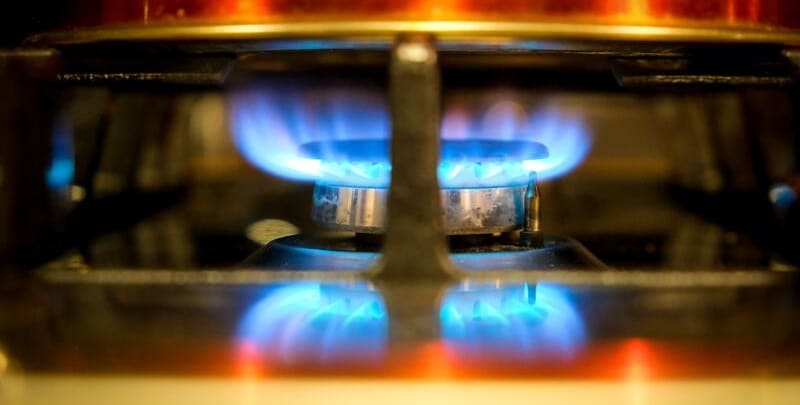
A Gas Leak at Home is a silent but deadly hazard that can lead to devastating consequences if left undetected. Many households in Africa rely on gas for cooking and heating, yet safety awareness remains low. What may start as a minor leak can escalate into fatal explosions, fires, or carbon monoxide poisoning. Understanding the dangers and taking preventive measures can save lives.
The Hidden Dangers of a Gas Leak at Home
1. Explosion and Fire Risks
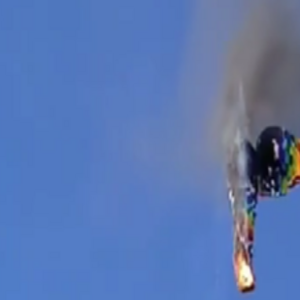
Even a small gas leak can turn into a disaster. When gas accumulates in an enclosed space, a single spark from an electrical switch, match, or appliance can trigger a massive explosion. According to the National Emergency Management Agency (NEMA), gas explosions in Nigeria alone accounted for over 200 deaths and countless injuries in 2023.
2. Carbon Monoxide Poisoning
Incomplete combustion of gas produces carbon monoxide (CO), an odorless, invisible gas that can cause severe poisoning. Symptoms include dizziness, nausea, headaches, and confusion. The World Health Organization (WHO) reports that CO poisoning is responsible for thousands of deaths annually, especially in households using gas stoves without proper ventilation.
3. Suffocation and Health Hazards
A Gas Leak at Home can displace oxygen, leading to suffocation, especially in poorly ventilated areas. Prolonged exposure may also cause respiratory issues, irritation, and chronic illnesses. Studies show that people with pre-existing conditions like asthma are at greater risk of complications.
Causes of Gas Leaks at Home
- Faulty or old gas cylinders – Many African households use outdated or poorly maintained gas cylinders, increasing the risk of leaks.
- Loose or damaged hoses and fittings – Improperly connected gas pipes can allow leaks to occur unnoticed.
- Poor ventilation – Gas buildup happens faster in confined spaces with little airflow.
- Negligence – Leaving gas on, failing to check for leaks, or improper storage of cylinders can create hazards.
How to Detect and Prevent a Gas Leak at Home
- Smell the warning signs – Gas suppliers add a distinct sulfur-like odor to help detect leaks early. If you notice this smell, act immediately.
- Use a soap-water test – Applying soapy water to gas connections can reveal leaks through bubbling.
- Install gas detectors – A gas alarm can detect leaks before they become dangerous.
- Ensure proper ventilation – Open windows and doors when using gas to prevent buildup.
- Regular maintenance – Check and replace faulty hoses, cylinders, and connections frequently.
What to Do If You Suspect a Gas Leak at Home
- Do NOT turn on electrical appliances or lights – Sparks can ignite gas.
- Turn off the gas supply – Shut off the main valve immediately.
- Ventilate the area – Open windows and doors to allow gas to escape.
- Evacuate if necessary – Leave the building if the smell is strong.
- Call for professional help – Contact emergency services or a certified gas technician.
A Gas Leak at Home is a life-threatening risk that should never be ignored. Explosions, fires, and poisoning can be prevented through early detection, proper maintenance, and safety precautions. Awareness and proactive measures can turn potential disasters into avoidable incidents, ensuring household safety across Africa.
ALSO READ: World Kidney Day 2025: Prioritizing Kidney Health Through Early Detection and Prevention