


As Africa’s tourism and hospitality industry experiences unprecedented growth, a parallel concern looms large — the lack of consistent safety standards in hotel rooms. From luxurious urban high-rises in Kigali to budget guesthouses in Accra, the absence of life-saving safety features continues to expose millions of guests to avoidable hazards. While hotel aesthetics have improved, behind the curtains, health and safety gaps remain dangerously wide.
According to a 2023 regional safety audit by the African Tourism Board, nearly 60% of hotels in East and West Africa lacked minimum emergency preparedness infrastructure, including fire exits, functioning alarms, or emergency evacuation protocols. Alarmingly, many African countries still operate without comprehensive regulatory frameworks enforcing health and safety in hospitality facilities.
Here are six of the most overlooked — yet critical — in-room safety checks that travelers, HSE officers, and hotel management must prioritize immediately.
1. ALTERNATE ESCAPE EXITS: LIVES DEPEND ON THEM
Hotel fires and building attacks leave no time for second-guessing. Many African hotel rooms are built with only one accessible door. In emergencies, that door may be blocked. Worse, a 2022 assessment by Nigeria’s Institute for Safety Professionals found that 81% of hotel rooms had sealed or barred windows, often for “security” reasons. With no escape route, guests are trapped — as seen in the tragic 2021 fire at a lodge in Lagos where three guests died due to inaccessible windows.
Best Practice: Every guest room must have an alternative escape option — preferably a window that opens fully or easy access to a nearby fire stairwell.
2. SPRINKLER HEADS: NON-NEGOTIABLE IN FIRE RESPONSE
In a continent where fire outbreaks are common due to erratic power supply and faulty wiring, sprinklers are life-saving essentials. Yet, most African hotels lack them. A 2024 fire safety audit by the South African Bureau of Standards (SABS) revealed that only 23% of hotels in Gauteng Province had functional ceiling sprinklers. Many buildings, especially those converted from residential spaces, are exempt from retrofitting requirements.
Best Practice: Sprinkler systems must be installed and tested quarterly. HSE managers should advocate for national legislation to mandate this feature.
3. DOOR LOCK INTEGRITY: PROTECTION FROM MORE THAN FIRE
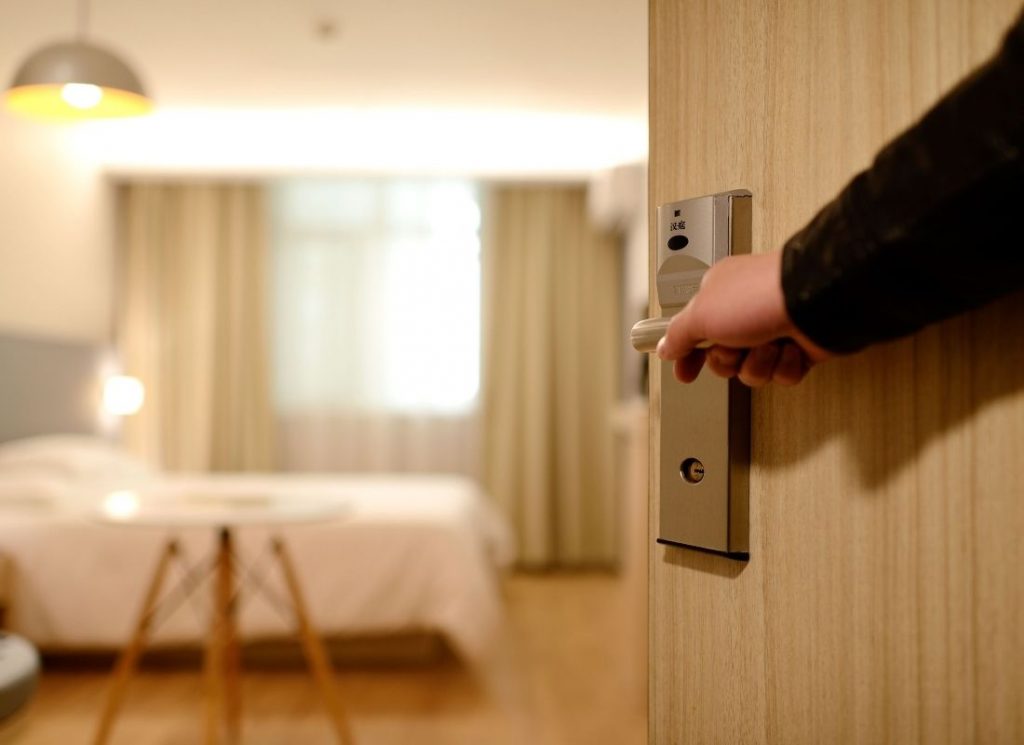
It’s not just fire you need protection from. Room break-ins and unauthorized entry remain a threat. A 2023 study by Kenya’s Private Security Regulatory Authority reported that 38% of hotel theft incidents occurred due to faulty or bypassed door locks. Often, rooms still use outdated key systems instead of modern electronic access control.
Best Practice: Hotels must provide reinforced deadbolts, privacy latches, and working peepholes. Guests should verify these upon check-in.
4. BALCONY RAILINGS: BEAUTIFUL, YET DANGEROUS
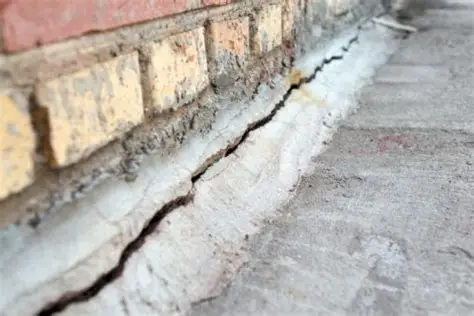
From Nigeria to Egypt, several incidents involving collapsed or unstable balconies have made headlines in recent years. A 2022 collapse in Accra injured four guests after a corroded steel railing gave way. Many hotel balconies across Africa are poorly maintained, and rust, loose bolts, or structural cracks are common — especially in coastal cities with high humidity.
Best Practice: Regular structural audits should be mandatory. Guests should inspect for rust, instability, and wide gaps (especially if children are present).
5. EMERGENCY LIGHTING: OUTAGES SHOULDN’T MEAN DARKNESS
Africa experiences frequent blackouts. A 2024 report by Power Africa revealed that 15 of 54 African countries experienced over 80 hours of hotel-related power outages in the first quarter alone. In emergencies, a lack of light can delay evacuation and increase panic.
Best Practice: All rooms and hallways should have backup lighting systems — preferably solar-powered or battery-based — with signs clearly indicating exit routes.
6. SMOKE DETECTORS: SILENT LIFE SAVERS, OFTEN SILENCED
Smoke detectors are the first line of defense in a fire outbreak — but often the last thing maintained. A 2023 review of 300 hotels in Nigeria, Ghana, and Uganda by the West African Fire Protection Network found that 67% had either non-functional or no smoke detectors at all. In many cases, hotel staff disabled them due to false alarms or to avoid disrupting guests.
Best Practice: Detectors must be installed in every guest room and hallway, tested monthly, and connected to a central alarm system.
POLICY GAPS AND THE WAY FORWARD
There’s an urgent need for stronger enforcement and regional standardization. Countries like Rwanda and Mauritius have made commendable strides in tourism safety, but most of the continent still lags. For example, Nigeria is yet to implement a national hotel safety compliance register, while in Kenya, implementation remains inconsistent between counties.
Tourism drives revenue — but without safety, it risks lives and national reputations. Hotel owners, tourism ministries, and HSE professionals must collaborate on enforcing minimum safety codes, training housekeeping and security teams, and educating guests.
ALSO READ: The Hidden Cost of Noise Pollution: How Everyday Sounds May Be Stressing Your Body