

Poverty does more than limit income. It quietly increases people’s exposure to danger and reduces their ability to avoid it. For millions of Nigerians and others across developing countries, unsafe living and working conditions are not choices. They are daily realities shaped by limited options.
From a health and safety perspective, poverty is one of the strongest predictors of injury, illness and premature death.
Globally, the World Health Organisation estimates that over 90 percent of injury related deaths occur in low and middle income countries. Road traffic injuries, fires, unsafe housing, occupational accidents and environmental health risks are far more common in poorer communities, not because people are careless, but because safer alternatives are often unavailable or unaffordable.
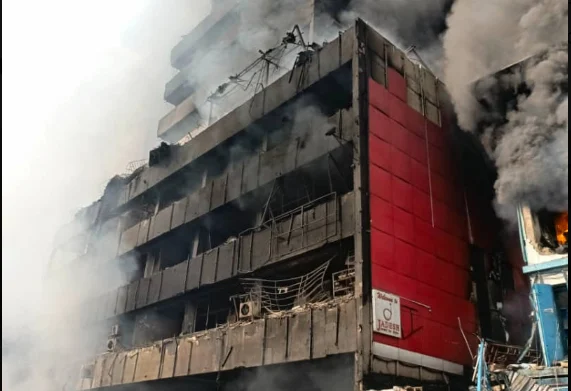
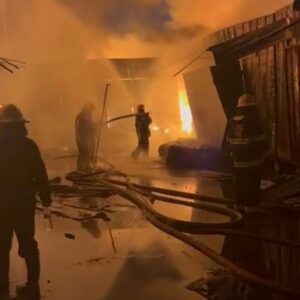
Housing is one of the clearest examples. Low income families are more likely to live in overcrowded buildings, informal settlements or poorly constructed homes. These structures often lack proper ventilation, safe electrical wiring, fire exits or durable materials. According to UN Habitat, over one billion people worldwide live in slum conditions, where fire outbreaks, building collapse and disease spread are constant threats. When a fire breaks out in such environments, escape routes are limited and emergency response is delayed, increasing the risk of fatalities.
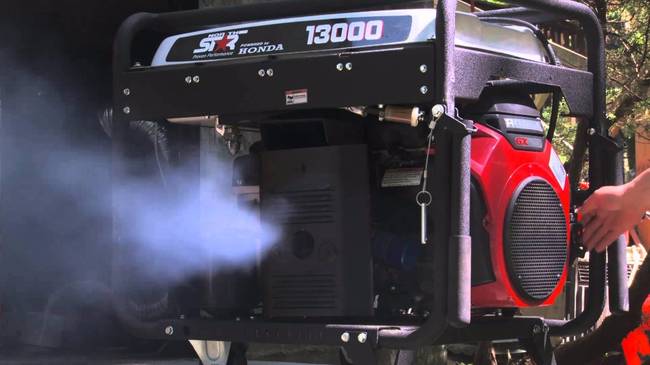
Energy poverty also drives safety risks. Many households rely on generators, kerosene stoves, charcoal or firewood for cooking and power. The World Health Organisation reports that indoor air pollution from solid fuels causes about 3.2 million premature deaths each year globally. Prolonged exposure leads to respiratory diseases, heart problems, eye damage and increased stroke risk. In homes without adequate ventilation, these hazards become even more deadly.
Poverty also shapes where people work. Low income workers are more likely to take high risk jobs in construction, transportation, mining, waste handling and informal industries. These jobs often lack proper safety training, protective equipment or regulatory oversight. The International Labour Organisation estimates that nearly 2.9 million workers die every year from work related injuries and diseases, with the highest burden in developing economies. Many injuries go unreported because workers fear job loss or lack access to healthcare.
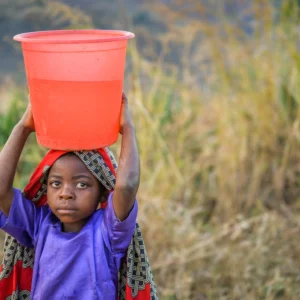
Transportation is another area where poverty increases exposure. People who cannot afford safer transport often rely on overcrowded buses, motorcycles or unsafe vehicles. Poor road infrastructure in low income areas further increases accident risk. Children from poorer households are also more likely to walk long distances along busy roads to school, exposing them to traffic injuries.
Healthcare access plays a critical role. When injuries or exposure occur, people living in poverty are less likely to receive early treatment. Minor injuries become infections. Toxic exposure goes undiagnosed. According to the World Bank, out of pocket health costs push millions of people deeper into poverty each year, creating a cycle where illness and unsafe conditions reinforce each other.
From an HSE standpoint, poverty turns everyday environments into high risk zones. It reduces the margin for error. When safety measures cost money, the poorest are forced to live without them.
Addressing safety hazards therefore requires more than awareness campaigns. It requires safer housing policies, affordable clean energy, stronger workplace protections and accessible healthcare. Safety should not be a privilege reserved for those who can afford it.
Until safety is built into systems, poverty will continue to quietly determine who is most likely to be injured, poisoned or killed while simply trying to survive.