


How waste affects the ecosystem and our everyday health
The amount of waste generated by industries is closely linked to our consumption and production patterns. The sheer number of products entering the market poses yet another challenge. Demographic changes, like an increase in the number of one-person households, also affect the amount of waste we generate (e.g., packaging goods in smaller units). Huge chain of waste types and complex waste-treatment paths (including illegal ones) makes it difficult to get a complete overview of the waste generated and its whereabouts.
This article will discuss the effect of waste on our ecosystem and our day-to-day health requirements.
1. Waste as air pollution
Poor waste management contributes to climate change and air pollution, and directly affects many ecosystems and species. Disposing of waste has huge environmental impacts and can cause serious problems.
Leachate produced as waste decomposes may cause pollution. Badly-managed landfill sites may attract vermin or cause litter.

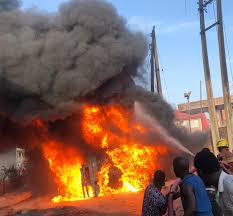
Incinerating waste also causes problems because plastics tend to produce toxic substances, such as dioxins, when they are burnt. Gases from incineration may cause air pollution and contribute to acid rain, while the ash from incinerators may contain heavy metals and other toxins. The effect of this should be considered by the society as they affect both our ecosystem and also our health.
2. Waste as a source of climate change
When organic waste decomposes, carbon dioxide and methane gas are created. Methane is created when there is no air present, while carbon dioxide is the natural product when anything rots in air. The production and incineration of inorganic waste uses natural resources such as water, fuel, metal, timber in their production, and this results in the emission of greenhouse gases, particularly carbon dioxide and other pollutants. Plastic waste produces greenhouse gas emissions during every stage of its lifecycle. These processes have various effects on climate change due to the production of various gases into the ecosystem.

3. Soil and water contamination
In developed countries, soil contamination is largely caused by human activities. Some examples are manufacturing, industrial dumping, land development, local waste disposal, and excessive pesticide or fertilizer use. While the most developing countries have the issues of liquid and solid waste disposal, so this waste is often thrown or left in every area on the street. The need for creation of available space for waste disposal is very important in developing countries, while developed countries require the needs to do away with non-decomposable material which will always affect the ecosystem, thereby affecting the health and safety of humans.
4. Waste as a source of health issues
According to public health survey, the more emissions that we produce due to how much trash we generate, affects us long term. One can develop diseases such as asthma, birth defects, cancer, cardiovascular disease, childhood cancer, COPD, infectious diseases, low birth weight, and preterm delivery. Bacteria, vermin and insects can also be added to the problem that trash causes. Human health is at risk through our inaction. We keep producing large amounts of trash, we do not dispose of it correctly, and in the end that will be a downfall because we all share the environment and wildlife in the ecosystem. We cannot prevent or promote longevity with how we treat our Earth.
In as much as waste is renewable and can be a source of income, energy or power for the most developed countries. We must also consider their side effect on our ecosystem and, most importantly, the effect they have on human health.