
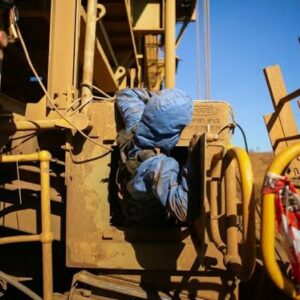

Fuel tankers are not ordinary workspaces. They are confined spaces with limited oxygen, the potential presence of flammable vapours, and a high risk of toxic exposure. Entry into such environments without strict safety controls is globally recognised as one of the most dangerous industrial activities. Victory Bernard writes, with safety expert contribution.
On December 28, 2025, the rescue of two adult males from inside a broken-down fuel tanker in Apapa was a fortunate outcome in a situation that could easily have turned fatal. The men were reportedly trapped while attempting repair work inside the tanker.
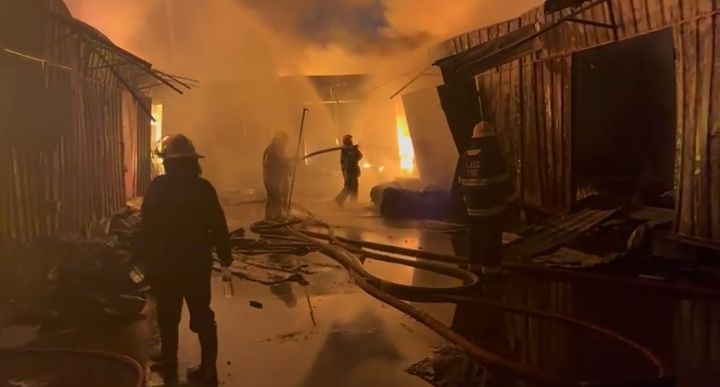
Confirming this incident through a statement, the Controller General, Lagos State Fire and Rescue Service, Margaret Adeseye said, “The Ajegunle Fire Station received a distress call at approximately 16:47 hours regarding a broken-down fuel tanker opposite Eco Bank, Army Barrack Apapa, and immediately mobilised and responded to the scene.”
“On arrival, it was discovered that two adult males were trapped inside the tanker while carrying out repair work. Fire service personnel promptly commenced rescue operations and successfully extricated the two victims alive. Both rescued individuals were immediately handed over to medical responders and conveyed to a hospital for further treatment,” the statement said.

The swift response of the Lagos State Fire and Rescue Service ensured that both men were extricated alive and handed over for medical care. Their survival reflects the professionalism of emergency responders. However, as with many industrial rescue cases, the focus must not end with the successful outcome.
Analysis
What makes this incident particularly concerning is not that the tanker broke down, but that human entry into the tanker occurred at all without evidence of gas testing, ventilation, entry permits, or standby rescue systems. In confined spaces, collapse, suffocation, or explosion can occur within minutes often before help arrives.

Across Apapa and similar industrial zones, unsafe maintenance practices have become normalised due to weak enforcement, economic pressure, and limited safety awareness. Workers are often forced to improvise repairs in hazardous conditions, while employers and operators prioritise speed over safety.
True safety in the tanker transport sector requires more than rescue readiness. It demands strict regulation of repair activities, mandatory confined-space training, clear prohibition of unsafe roadside interventions, and accountability for operators who expose workers to life-threatening conditions.
This incident serves as a reminder that survival should not be mistaken for safety. Until prevention becomes standard practice, rescue will remain the final and often fragile barrier between hazardous work and irreversible loss.
Expert View
In an interview with HSENations, Muhammad Aminu Adamu, MNIM, MISPON, MIRSM, Head of HSE & Community Relations at Transition Minerals International, Abuja, emphasized that the incident was deeply unfortunate and highlights the critical dangers associated with confined space work.

He explained that in industrial environments, confined space operations are classified as high-risk activities and demand a high level of expertise, awareness, and strict safety compliance.
“Since work in confined space is a high risk job, certain procedures and precautions need to be taken before,during and after the work. No one should engage in work in confined spaces without training and adequate knowledge of what they need to do for safety.”
“Risks in confined space are low oxygen level, presence of toxic gas, inadequate ventilation, etc, and this could affect humans working in confined space and the consequences could be fatal.” Mr. Muhammad said.
He noted that confined space work requires clearly defined procedures and precautionary measures to be followed before, during, and after any task is carried out.
Conclusion
Confined spaces often present serious risks, including low oxygen levels, the presence of toxic or hazardous gases, and poor ventilation. These conditions can severely affect workers’ health and safety, with consequences that may be fatal if not properly managed. Proper training, risk assessment, and adherence to safety protocols remain essential to preventing such tragic incidents.