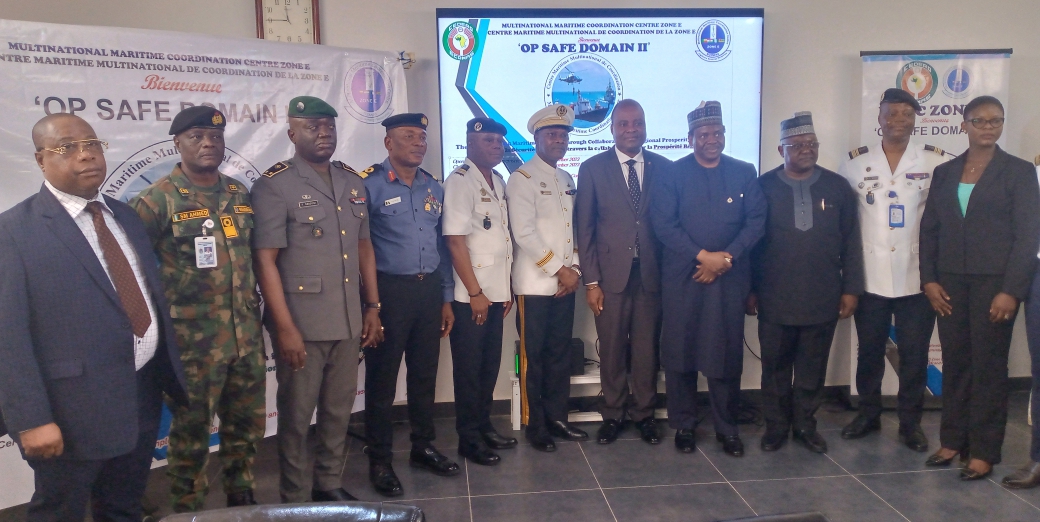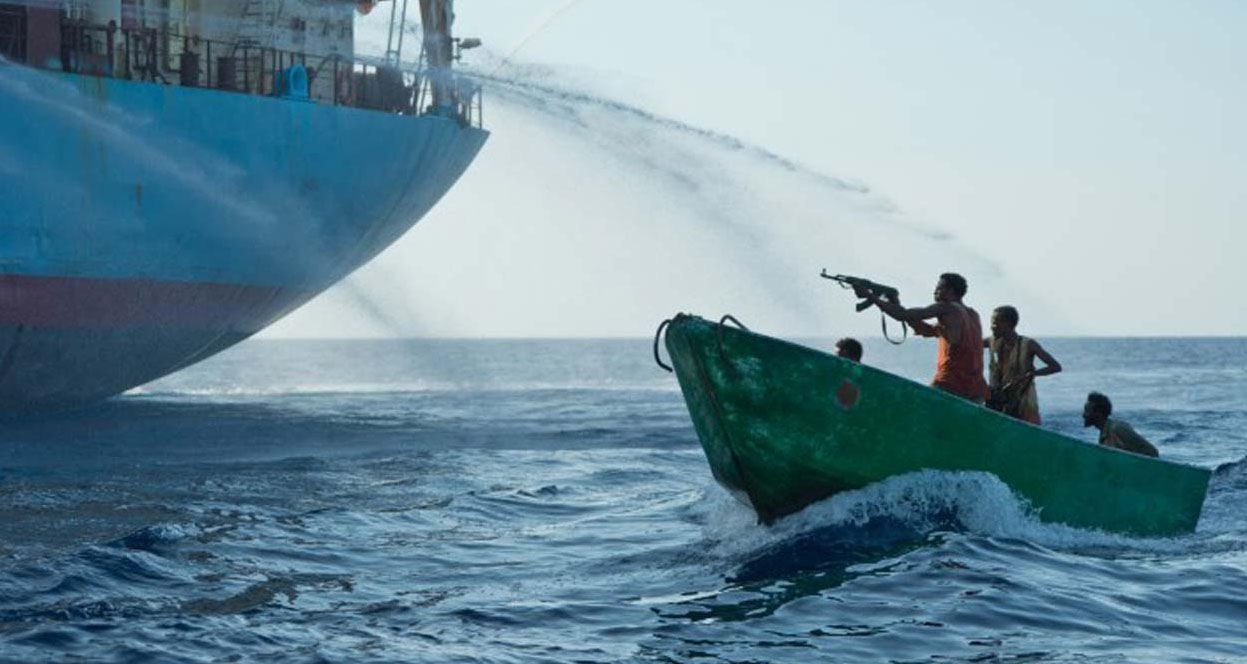



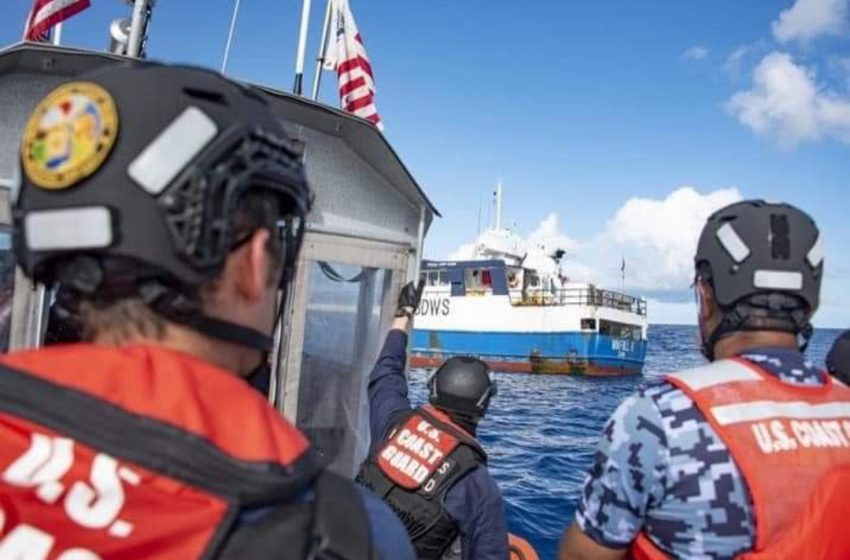
Maritime security is one of the most leading sector of maritime in Nigeria, They are saddle with provision of anti piracy and risk analysis to the shipping industry.
They also provide vessel protection services which covers commercial shipping, cruise liners and super yachts.
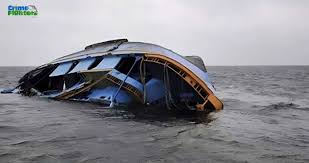
While this department is very important, it is also essential to know that this sector of maritime is challenged with various attacks and threats.

They refer to threats such as maritime inter-state disputes, maritime terrorism, piracy, trafficking of narcotics, people and illicit goods, arms proliferation, illegal fishing, environmental crimes, or maritime accidents and disasters. The argument is then that maritime security should be defined as the absence of these threats. This ‘laundry list’ approach to defining this department of maritime has rightfully been criticized as insufficient since it does neither prioritize issues, nor provides clues of how these issues are inter-linked, nor outlines of how these threats can be addressed. It moreover creates enduring puzzles over which threats should be included.
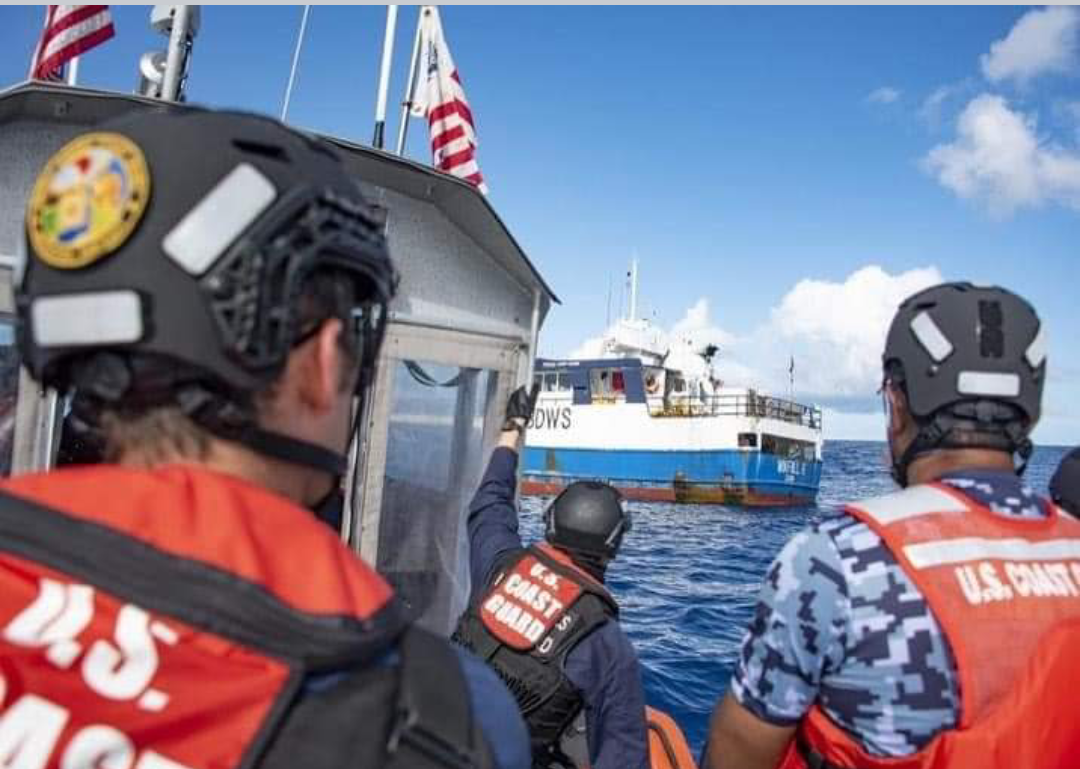
While these stated threat and challenges are been put into consideration, Security agent on the shore are taught to do the following in helping to curb some of this threat;
(1) ‘semiotics’ which intends to map different meanings by exploring the relations between maritime security and other concepts.
(2) The ‘securitization’ framework which provides the means to understand how different threats are included in maritime security, and
(3) security practice theory which aims at understanding what actions are undertaken in the name of maritime security.
While all these are very important, ability to make critical decision in time of sudden distraught is also required by maritime officer