



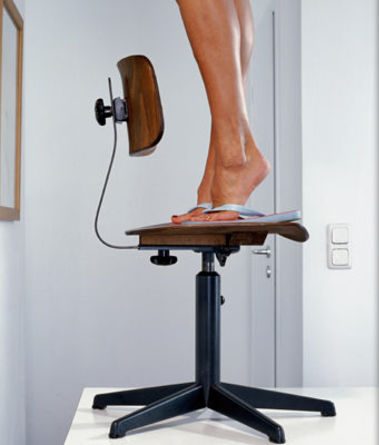
Home safety is the cornerstone of a secure household, yet many of us unknowingly risk our well-being by resorting to dangerous shortcuts. One such myth is that a chair can serve as a makeshift ladder—even if just for 10 seconds. This misconception may seem convenient in a pinch, but the reality is stark: using a chair in place of a proper ladder can lead to severe injuries and long-term consequences.
Home Safety: Building a Secure Environment
Every home should be a safe haven. From everyday chores to occasional maintenance projects, safety must be our top priority. Often, the urge to improvise leads to the use of common household items in ways they were never intended, undermining the careful safety protocols that protect us. The use of furniture as climbing aids is one such risky practice that can compromise the overall security of your home.
The Hidden Dangers of Using a Chair as a Ladder
When a chair is repurposed as a ladder, several critical safety issues arise:
- Unstable Support: Chairs are not engineered for vertical climbing. Their design lacks the structural integrity needed to support weight safely when used in this manner.
- Absence of Safety Features: Unlike purpose-built ladders, chairs do not include anti-slip surfaces, secure locking mechanisms, or reinforced steps that help prevent falls.
- Elevated Risk of Injury: Statistics reveal that nearly 40% of ladder-related injuries stem from makeshift climbing methods. A fall from a chair can lead to serious injuries such as fractures, head trauma, or worse.
Eye-Opening Statistics on Makeshift Climbing Injuries
Consider these startling figures:
In Nigeria and across Africa, unsafe climbing practices—including using chairs as makeshift ladders—contribute to a high incidence of falls on construction sites. For instance, a study in Obio Akpor Local Government Area of Rivers State found that falling off from ladders or heights accounted for roughly 29% of the hazards reported on building sites.

Similarly, data from South Africa shows that between 2015 and 2021, there were 5,842 “falling to different levels” incidents—one of the major injury categories recorded out of nearly 55,000 construction site injuries
These numbers are not just statistics—they represent lives disrupted by unsafe practices. They serve as a critical reminder that when it comes to home safety, shortcuts can be deadly.
Expert Home Safety Tips
To ensure your home remains a safe environment, follow these key guidelines:
- Invest in Quality Equipment: Purchase ladders that are designed and certified for climbing tasks.
- Conduct Regular Inspections: Check your equipment for wear and damage before each use. Even minor defects can lead to serious accidents.
- Follow Manufacturer Instructions: Always adhere to the guidelines provided by equipment manufacturers, ensuring correct and safe usage.
- Educate Your Household: Make sure everyone in your home understands the dangers of makeshift climbing methods and the importance of using proper equipment.

Home safety isn’t just a precaution—it’s a way of life. The dangerous notion that a chair can substitute for a ladder is both misleading and hazardous. By embracing proper safety practices and investing in the right tools, you protect not only your home but also the well-being of everyone who lives in it.
ALSO READ: IRCOSH 2025 – Challenging the Status Quo: Addressing Safety Research Challenges in Nigeria