
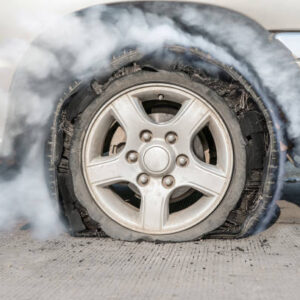



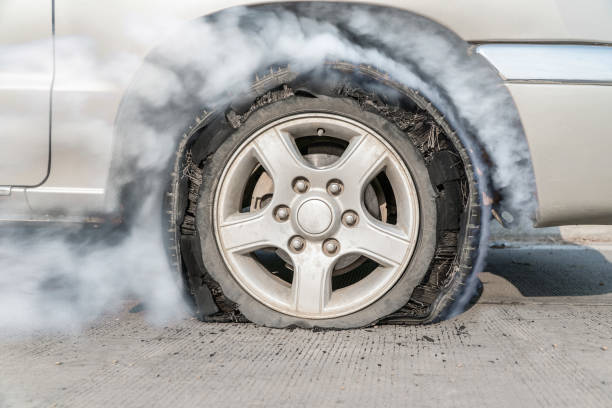
Car tyres are one of the most critical safety components of any vehicle, yet they remain among the most neglected worldwide. Across cities, highways and rural roads, millions of vehicles are running on tyres that are far older than recommended, severely worn or structurally weakened. This is not a problem limited to one country. It is a global safety issue with serious consequences.
Many drivers continue to use tyres for years, sometimes until they burst, believing that as long as a tyre still holds air, it is safe. This assumption is both common and dangerous.
Why Tyre Age Matters More Than Most People Realise
Tyres do not only wear out from driving. They also degrade with time. The rubber compounds used in tyres slowly harden due to heat, sunlight, oxygen exposure and environmental conditions. As tyres age, they lose flexibility and grip, even if the tread depth appears reasonable.
Hard, aged rubber cannot adapt properly to road surfaces, especially during braking, cornering or wet conditions. This increases stopping distance and raises the risk of skidding and loss of control. In hot climates, tyre ageing happens faster, but even in cooler regions, time alone weakens tyre structure.
Globally, tyre blowouts remain a significant cause of high speed crashes. When an old tyre fails, it often does so suddenly, giving the driver little or no chance to react.
How Long Should Car Tyres Be Used?
Most major tyre manufacturers and safety organisations recommend replacing tyres every five to six years, regardless of appearance or mileage. Ten years from the date of manufacture is widely regarded as the absolute maximum lifespan, even for spare tyres that are rarely used.
The critical detail many drivers overlook is that tyre age is counted from the manufacturing date, not when the tyre was fitted to the car. This is especially important in regions where used or imported tyres are common, as some tyres may already be near or beyond their safe lifespan before installation.
The manufacturing date can be found on the tyre sidewall as part of the DOT code. The final four digits indicate the week and year the tyre was produced.
Warning Signs That Tyres Need Immediate Replacement
There are clear signs that a tyre is no longer safe. These include cracks on the sidewall, bulges or bubbles, uneven or excessive tread wear and frequent air pressure loss. Reduced traction on wet roads, vibrations while driving and longer braking distances are also warning signals.
Even without visible damage, tyres older than five years should be inspected regularly by professionals. Age related internal damage is not always visible from the outside.
Why Many Drivers Delay Tyre Replacement
Globally, cost is a major factor. Tyres are often treated as consumables to be replaced only after failure. There is also limited awareness about tyre ageing, and in many regions, vehicle inspection systems do not strictly enforce tyre age and condition standards.
For fleet operators, pressure to reduce operating costs sometimes leads to extended tyre use beyond safe limits. This approach increases accident risk and long term financial losses.
Tyre Safety Is A Core HSE Issue
From an HSE perspective, tyre condition is a frontline hazard control measure. Tyres directly affect vehicle stability, braking performance and driver control. For organisations managing fleets, tyre inspection schedules, age tracking and replacement policies should be mandatory.
For private drivers, tyres should be treated as safety equipment, not optional upgrades. The cost of timely tyre replacement is insignificant compared to the human, legal and financial cost of a serious road crash.
Old tyres are silent hazards. Replacing them on time is one of the simplest and most effective road safety decisions any driver can make.