

Safety requirement for assurance and promotion in aviation
A stated commitment to safety is necessary but sometimes may not be sufficient to enable safety improvements. The commitment must be supported by appropriate resourcing – of technology and equipment, training and expertise, policies and systems that promote operational safety.
Below are general requirements for safety in the aviation industry.
a) Ensures a formalised, explicit and pro-active approach to systematic safety.
Management in meeting its safety responsibilities within the provision of ATM services;
b) operates in respect of all ATM and supporting services which are under its managerial control;
c) Includes, as its foundation, a statement of safety policy defining the organisation’s
fundamental approach to managing safety;
While safety requirement is very important when aviation safety is being discussed, the need for aviation responsibilities is also very important to consider all the time.
Why aviation safety is very important in the safety industry
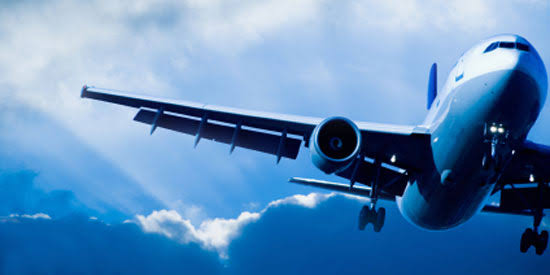
Below are aviation responsibilities that aviation organization must take seriously all the time.
Safety Responsibility
Ensures that everyone involved in the safety aspects of ATM service-provision has an individual safety responsibility for their own actions, and that managers are responsible for the safety performance of their own organisations.
The need for Safety Priority
Ensures that the achievement of satisfactory safety in ATM shall be afforded the highest priority over commercial, operational, environmental or social pressures;

The need for the Objective of the ATM Service. Ensure that while providing an ATM service, the principal safety objective is to minimize the ATM contribution to the risk of an aircraft accident as far as reasonably practicable.
The need for Requirements for Safety Achievement
Within the operation of the SMS, the ATM service
Criteria needed for safety achievements.
– Competency
Ensure that staff are adequately trained, motivated and competent for the job they are required to do, in addition to being properly licensed if so required;
– Safety Management Responsibility
a) Organization must ensure that safety management function is identified with organisational responsibility for development and maintenance of the safety management system;
b) Organizations must ensure that this point of responsibility is, wherever possible, independent of line
management, and accountable directly to the highest organisational level;
c) Organization must ensure that, in the case of small organisations where combination of responsibilities may prevent sufficient independence in this regard, the arrangements for safety assurance are supplemented by additional independent means;
d) Organization must ensure that the highest level of the service provider organisation plays a general role in ensuring safety management;
The aviation Organization must ensure that, wherever practicable, quantitative safety levels are derived and are maintained for all systems.
Requirements for Safety Promotion
Within the operation of the safety management system, the need for an automated machine is required, and for this to function properly, certain criteria must always be considered.
Immediate dissemination to ensure that the lessons arising from safety occurrence investigations and other safety activities are disseminated widely within the organisation at management and operational
levels.
– Safety Improvement
Organization will need to ensure that all staff are actively encouraged to propose solutions to identified hazards, and that changes are made to improve safety where they appear needed.