
The Phone Screen Germs You Can’t See — And Why Hand Sanitizer Isn’t Enough
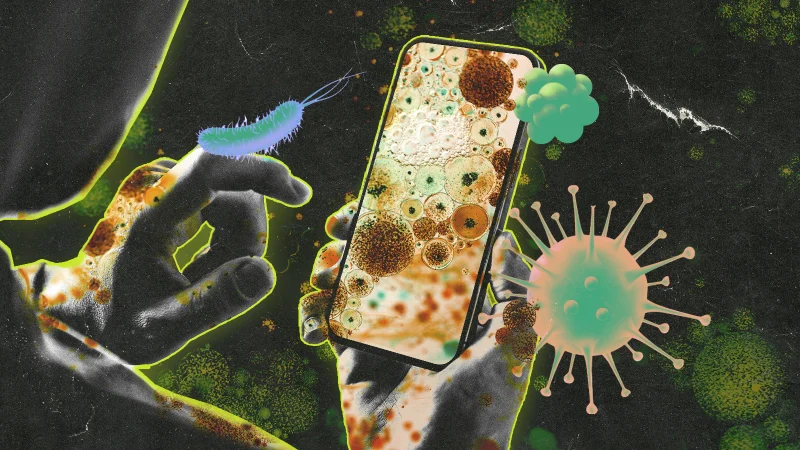
In an age where smartphones are practically an extension of our hands, many people overlook one alarming truth: your phone screen might be filthier than a toilet seat. From commutes to lunch breaks and even the bathroom, our phones go everywhere with us, collecting a host of invisible germs — some of which hand sanitizers can’t kill.
The Invisible Ecosystem on Your Screen
According to a 2022 study published in the Journal of Hospital Infection, an average smartphone can host up to 17,000 bacterial gene copies — including strains like Staphylococcus aureus, Escherichia coli (E. coli), and Pseudomonas aeruginosa, some of which are known to cause infections ranging from skin irritations to serious respiratory illnesses.
The study found that 92% of phones tested carried bacteria, and nearly 30% had traces of fecal contamination, especially among users who frequently handled their phones in the restroom.


Even more concerning, researchers from the University of Arizona found that mobile phones carry 10 times more bacteria than most toilet seats. This contamination isn’t just from dirty hands — it also includes airborne microbes, sweat, food particles, and droplets from coughing or sneezing.
Why Hand Sanitizer Isn’t the Fix
Hand sanitizers are effective against many viruses and bacteria — especially those with lipid membranes, like the flu or COVID-19. However, they’re not formulated to destroy all pathogens. For instance, alcohol-based sanitizers don’t eliminate certain bacteria spores or non-enveloped viruses like norovirus.
Even if your hands are clean, touching a contaminated phone instantly transfers germs back to your skin. The problem worsens because most people rarely clean their screens, and when they do, they use tissues or cloths that don’t disinfect.
Health Risks and Hygiene Best Practices
Dr. Evelyn Adeyemi, a Lagos-based infectious disease specialist, warns: “Phones are often overlooked in our hygiene routines, but they’re among the most common vectors of microbial transmission, especially in healthcare and public environments.”
Frequent exposure to contaminated surfaces like phones has been linked to outbreaks of gastrointestinal and respiratory infections, especially among children and healthcare workers. The World Health Organization (WHO) has consistently advised that cleaning high-touch surfaces, including electronics, is a key step in disease prevention.

Experts recommend:
- Using 70% isopropyl alcohol-based wipes to clean phone screens daily.
- Avoiding use of phones in bathrooms or kitchens where contamination is high.
- Washing hands after touching surfaces and before handling your phone.
- Avoiding placing phones on public or shared surfaces.
The germs lurking on your phone screen are real, invisible, and potentially harmful — and no, your hand sanitizer won’t save you. Prioritize regular cleaning of your device just as you do with your hands. In the battle against infectious diseases, every surface counts — especially the one you touch most.
ALSO READ: Apply Now: HSE Jobs Available This Week, Across Nigeria