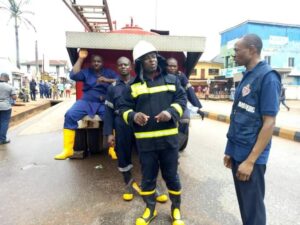



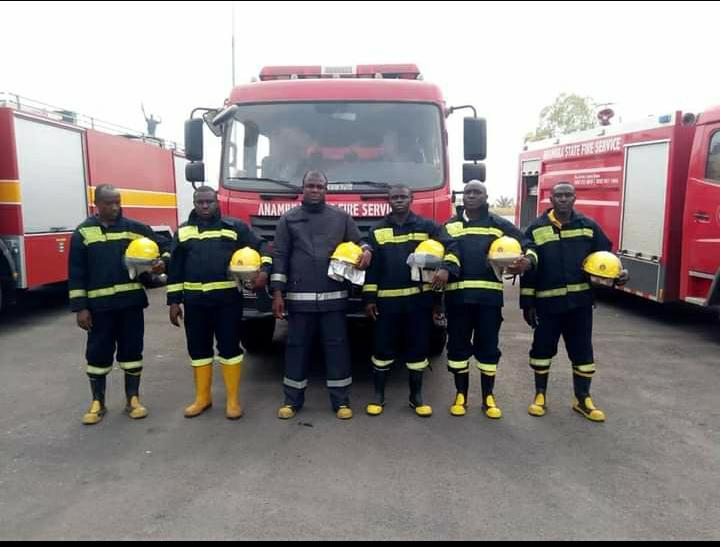
Understanding and Measuring Fire Department Response Times; I will like you to understand one thing about Fire Service, Firefighters and Firefighting. No firefighter will want to delay the process of fire fighting. Firefighters always give in their best at all time.
THE INTERNATIONAL STANDARD:
NFPA Standard 1710 establishes an 80-second “turnout time” and 480 second “travel time” (together, 560 seconds or 9 minutes and 20 seconds “response time”) benchmark time goal for the deployment of “an initial full alarm assignment at a fire suppression incident” for not less than 90% of dispatched incidents.
CONSIDERATION:
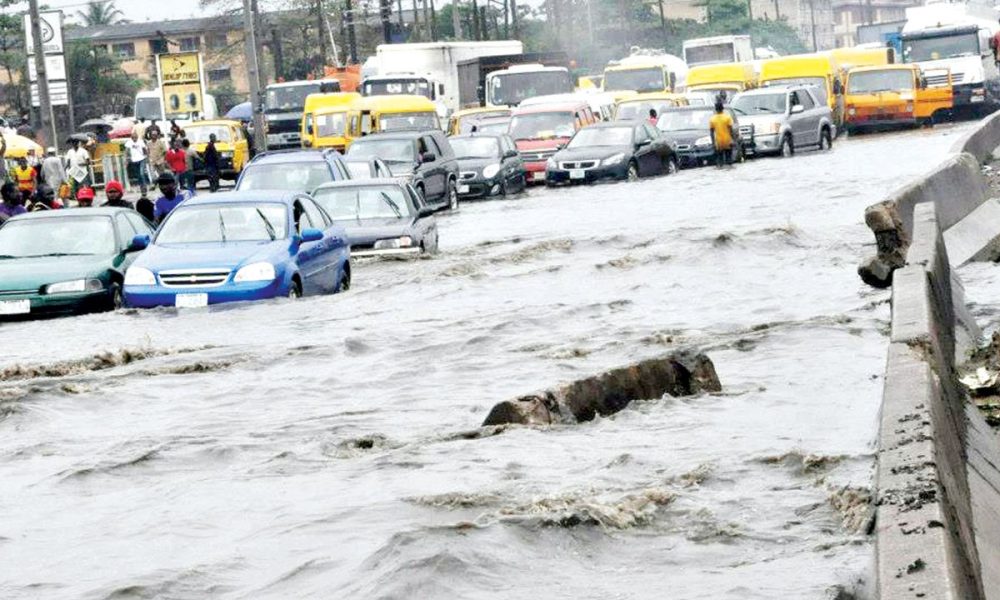
In terms of arriving late to fire scene. I don’t doubt whatever anybody has to say, but you must understand that there is a lot of circumstances that are behind late arrival of Firefighters to the fire scene; such as time of distress call, absence of free road access by other motorists, bad roads, and distance of the nearest fire service station to the fire scene, etc.
Besides, it is not how the public calculate the lateness that firefighters calculate it. The public calculate late arrival from the exact time the fire started but firefighters calculate their late arrival from the time they receive the distress call.
Now, how do we reconcile this?
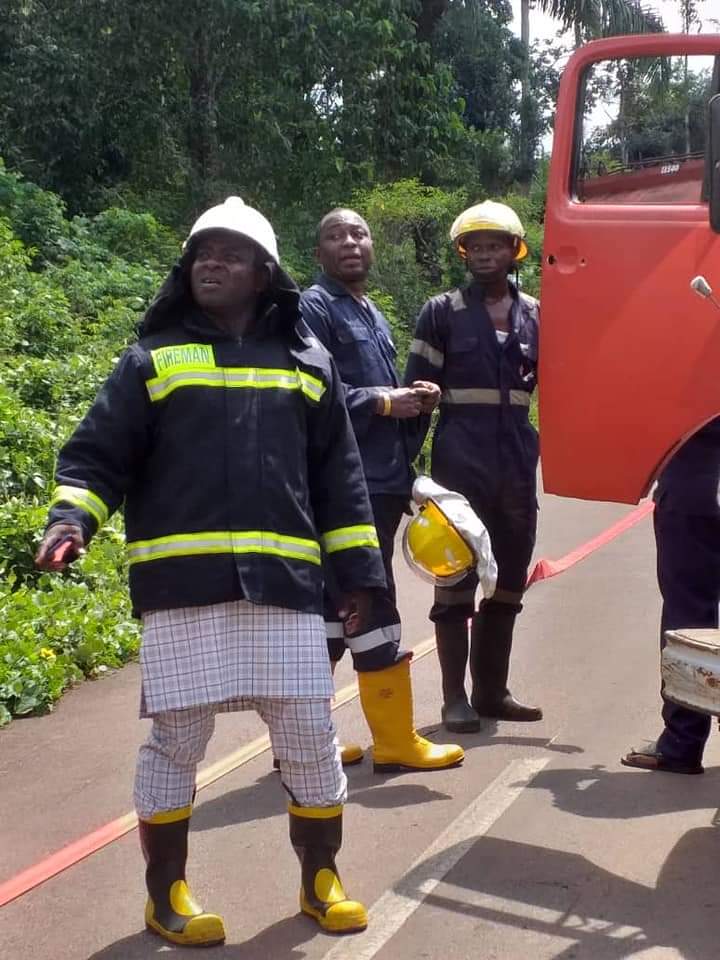
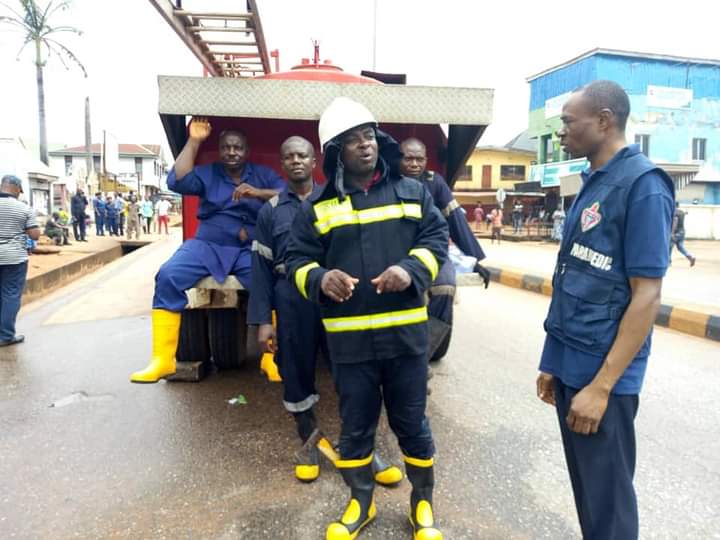
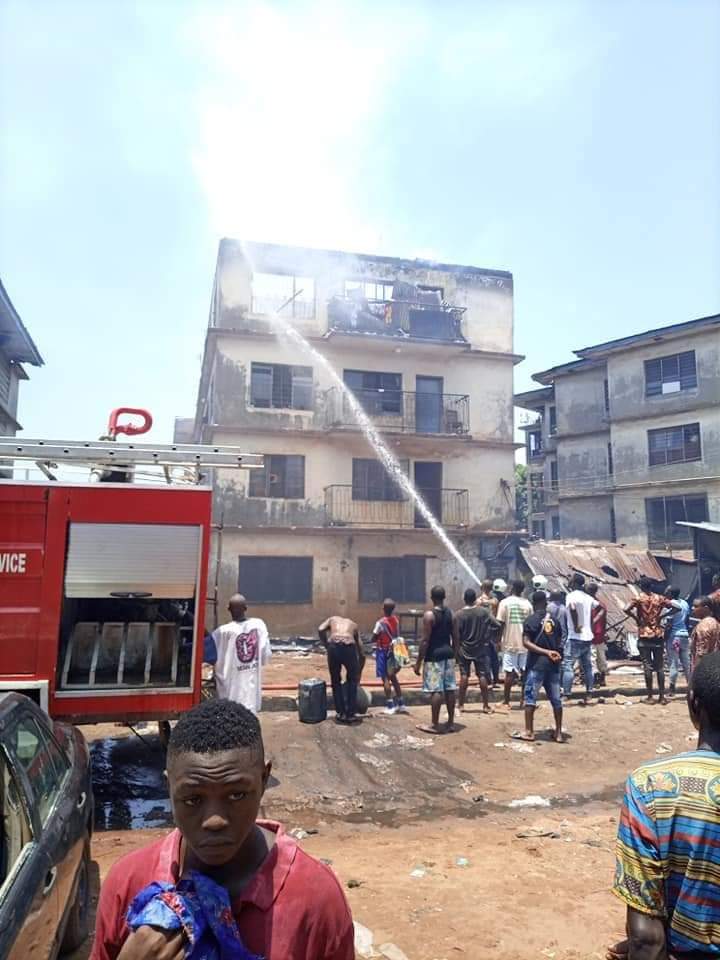
Remember, firefighters are never the cause of the fire. They are only coming to assist you to extinguish the fire.
Is it enough reason for the public to start beating firefighters and throwing stones on them?

Is it enough to damage or destroy the fire truck that came to assist you in the fire you caused by yourself?
“TIME OF CALL WILL ALWAYS DETERMINE THE TIME OF RESPONSE.”
ENGR. DR. MARTIN AGBILI (AGILITY)
Director/Chief Fire Officer
Anambra State Fire Service