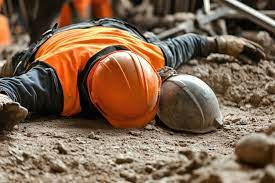
Ways to curb forced labour in workplace environment
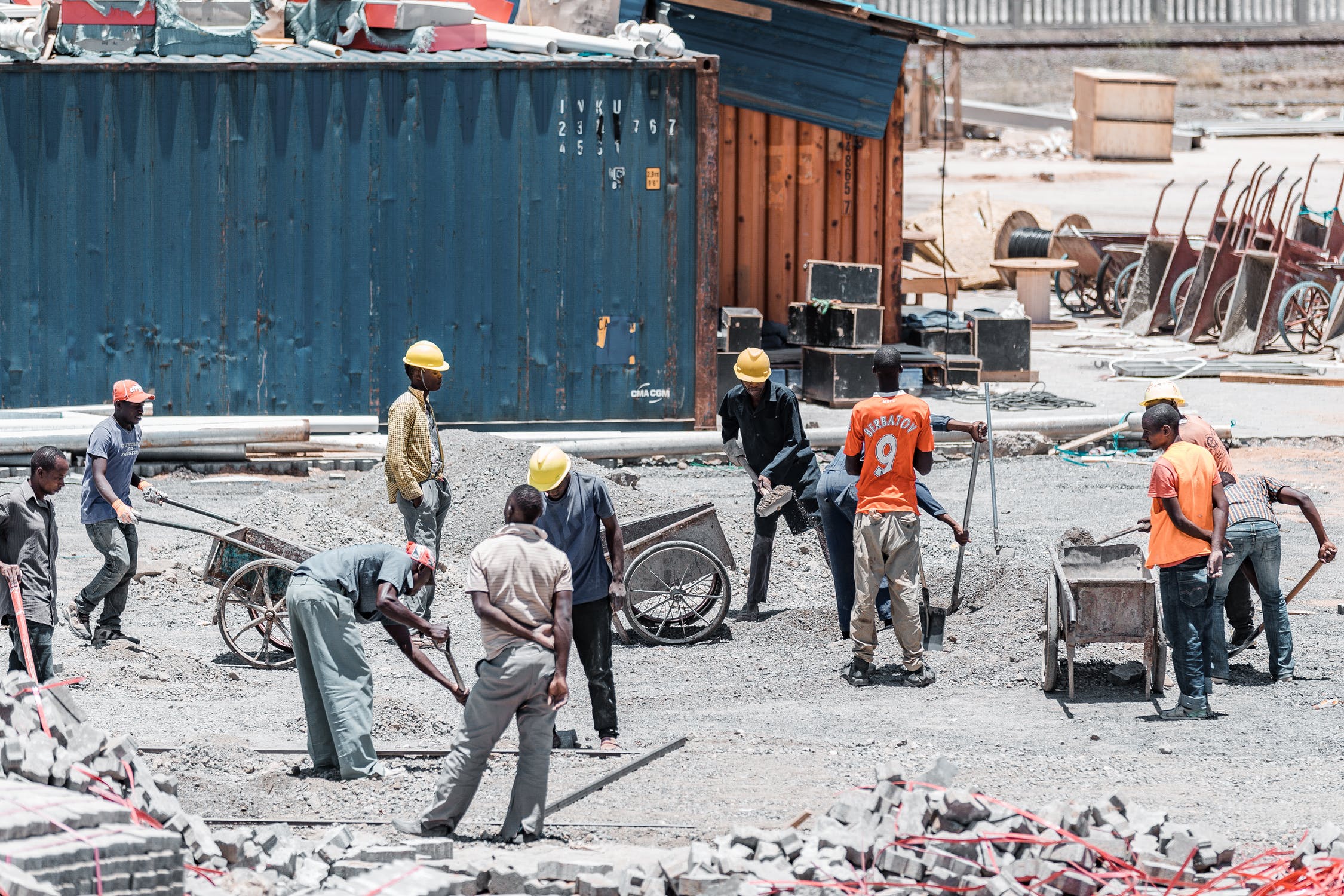
Ways to curb forced labour in workplace environment.
What is forced labour?
According to the ILO, forced labour is defined as “all work or service which is exacted from any person under the menace of any penalty and for which the said person has not offered himself voluntarily.


It affects millions of men, women and children around the world. It is most often found in industries with a lot of workers and little regulation. These include:
– Agriculture and fishing
– Domestic work
– Construction, mining, – -quarrying and brick kilns
-Manufacturing, -Processing and packaging
-Prostitution and sexual exploitation
– Market trading and illegal activities.
Forced labour is often seen as modern form of slavery. Forced labour happens in the context of poverty, lack of sustainable jobs and education, as well as a weak rule of law, corruption and an economy dependent on cheap labour. Organization employing workers at unreasonable price for a very high working hour, demanding unnecessary job description at a ridiculous paying amount.
This article will focus on ways to reduce forced labour in our society.
1. Understand forced labour risks.
Understanding the risks associated with forced labour makes it easier for individual to reject or take a job. The effect of forced labour on physiological and Mental health status of the Working environment is very detrimental at all stages. The need for deep understanding of this enables individuals fr across the globe to choose a stand.
2. Understand and Prepare for human right law.
The human right system values and appreciate individual dignity of all people. They can create a framework and analyse and understand the effect or impact of forced labour on a certain group of people. The human right system also understand that forced labour can be done through intimidation and abuse of power against low earners by employers who prefers cheap labour .
3. Take risk approach methods.
basic methods for risk management—avoidance, retention, sharing, transferring, and loss prevention and reduction—can apply to all facets of an individual’s life and can pay off in the long run. With the issue of forced labour been a general and repetitive issues in the labour system, The first and best risk approach method is avoidance, but in a situation where an individual employees is already a victim of forced labour, a very impressive decision is to quit and report to the necessary authority.
4. Understand the working conditions of your industry.
Ways to ensure workplace safety during the rainy season.
Before working for any company, it is very important to understand strictly the condition to which your field is specified. Having an understanding of what your field requires helps you to understand and justify any form of labour abuse by organization you find yourself in.
5. Don’t always take your employer word for it.
While it is okay to believe and trust your employers, it is very important to understand the significant of forced labour and the way the society frowns against, an employer who prefer cheap labour should not be trusted, do not hold them for their words as they can say many things that may end up without producing any useful results.
6. Report organization who believe and demands forced/cheap labour Take a stand for yourself.
It is very important to report to necessary agency and authority if you sight any organization who requires cheap labour and do not be afraid in taking a stand for yourself.
The issues of forced labour has become a serious issues in the working system, and this has led to several country taking a stand against forced labour. Forced labour refers to situations in which persons are coerced to work through the use of violence or intimidation, or by more subtle means such as accumulated debt, retention of identity papers or threats of denunciation to immigration authorities.
Forced labour, contemporary forms of slavery, debt bondage and human trafficking are closely related terms though not identical in a legal sense. Most situations of slavery or human trafficking are however covered by ILO’s definition of forced labour.