
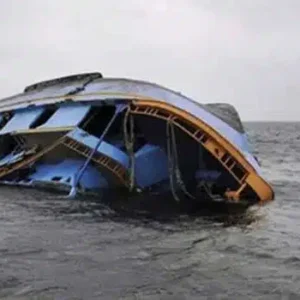
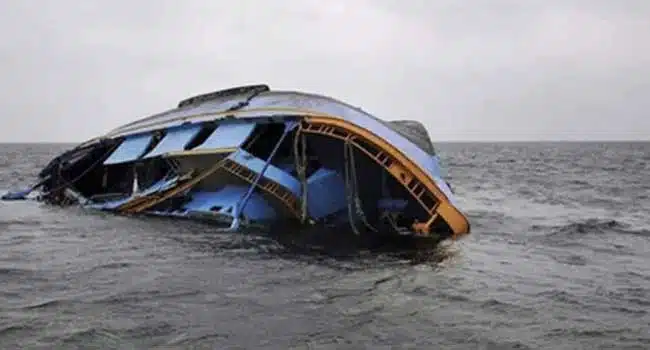
At least 25 people have been confirmed dead, while 14 others remain missing following a boat accident in Nguru Local Government Area of Yobe State. The tragedy occurred around 7:48 p.m. on Saturday when a canoe carrying 52 passengers capsized mid-journey.
The canoe was transporting passengers from Adiyani town in Guri Local Government Area, Jigawa State, to Garbi town in Nguru LGA, Yobe State. Most of the passengers were returning from fishing, farming, and local business activities when the accident occurred. Thirteen people were rescued, while search and rescue efforts continue to locate the missing.
Confirming the incident, Dr. Goje Muhammad, Executive Secretary of the Yobe State Emergency Management Agency (YSEMA), said rescue teams had been mobilised from Bade and Nguru Local Government Areas. Governor Mai Mala Buni described the accident as a monumental loss and directed that rescued victims receive immediate medical attention, while additional resources are deployed to recover missing persons.

From a Health, Safety, and Environment (HSE) perspective, this tragic incident exposes recurring risks associated with inland water transport in Nigeria. Preliminary assessments suggest several possible contributing factors:
- Overloading: The canoe carried 52 passengers, potentially exceeding its safe carrying capacity, a common cause in boat mishaps.
- Poor Maintenance: Small boats often lack routine inspections or safety equipment such as life jackets, fire extinguishers, or navigation lights.
- Weather and Environmental Conditions: Evening travel on inland waterways increases risk, especially if currents are strong or visibility is low.
- Lack of Regulatory Enforcement: Many local operators function without adherence to safety standards or oversight from maritime authorities.
Preventive solutions are critical to reducing similar future tragedies:
- Strict Adherence to Capacity Limits: Canoes and other small vessels must comply with weight and passenger restrictions.
- Mandatory Safety Equipment: Life jackets, emergency flotation devices, and lights should be standard on all passenger boats.
- Operator Training: Boat operators require certification in navigation, emergency response, and first aid.
- Community Awareness Programs: Passengers should be educated on the importance of following safety rules and emergency protocols.
- Regulatory Oversight: Agencies like the Nigerian Inland Waterways Authority must intensify inspections and enforce compliance among operators.
This incident is not isolated. Similar tragedies have been reported across Northern Nigeria, highlighting systemic gaps in water transport safety. Strengthening HSE practices, community education, and enforcement of maritime regulations could significantly reduce such avoidable losses and protect lives.